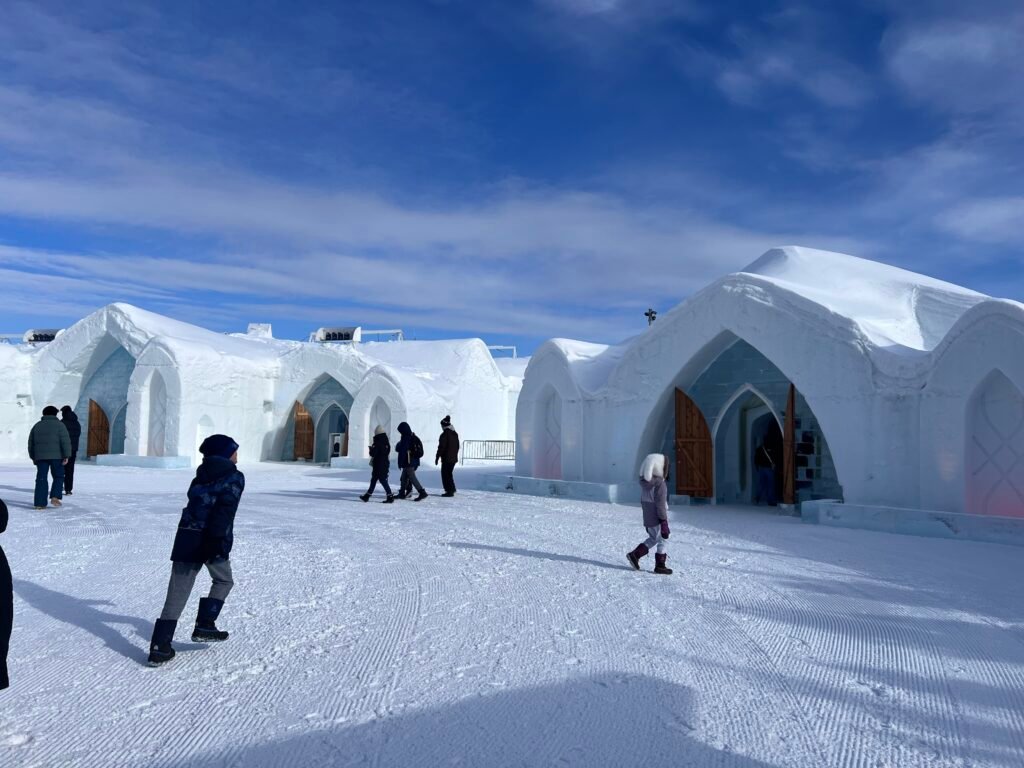
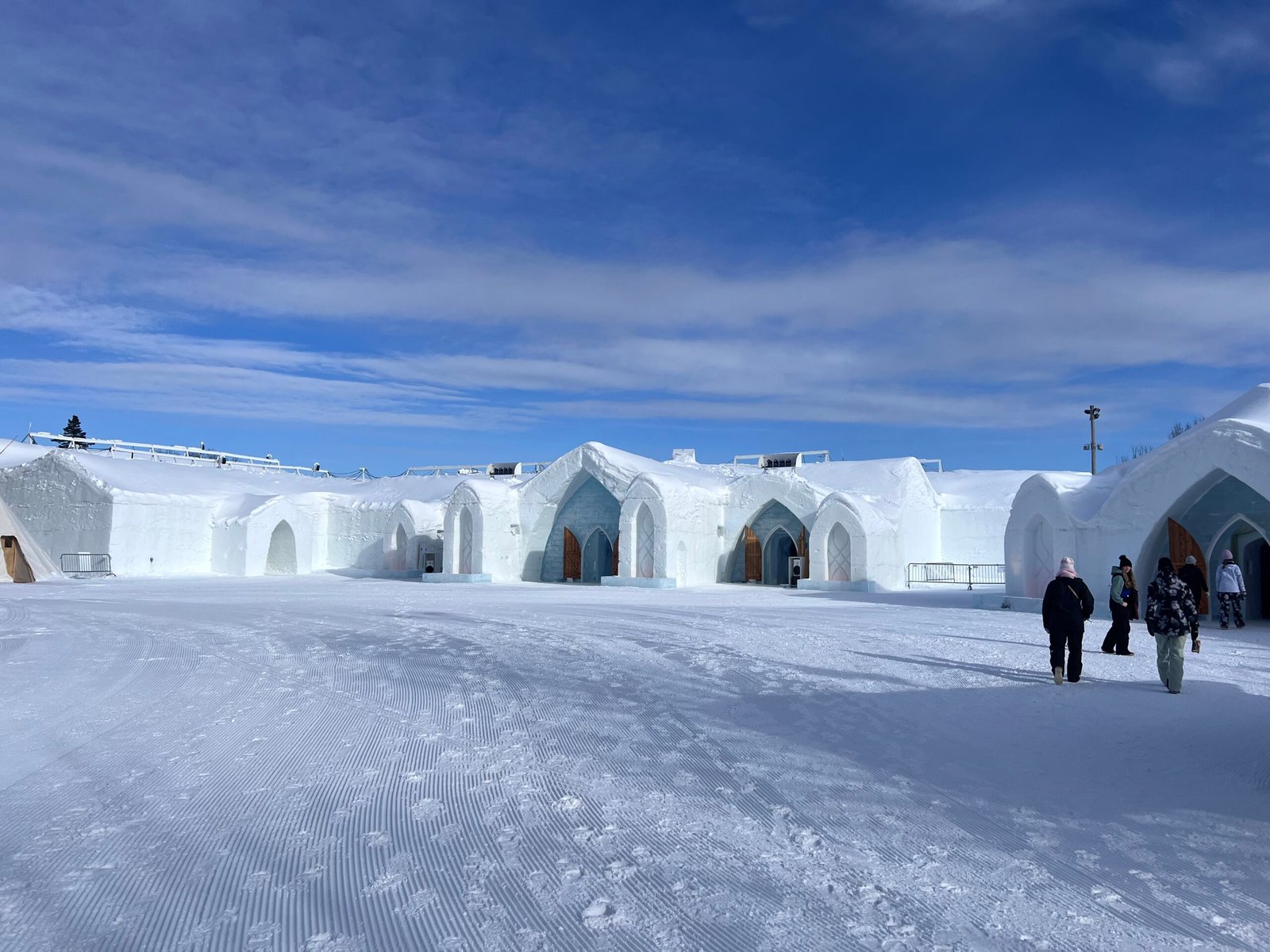
Every winter, just outside Quebec City, a hotel is built entirely out of snow and ice. The rooms, beds, chandeliers, bar, even a chapel are all made from snow and ice. Then, three months later, it melts. Literally melts.
If you’re thinking, “That sounds like the worst possible real estate investment”, you’re not alone. Hotels are supposed to be permanent assets built with concrete and steel, holding thirty-year mortgages with long-term depreciation schedules. This hotel disappears on purpose. So the real question is How do you build a profitable business on something designed to self-destruct?
The Ice Hotel Investor Pitch
Imagine walking into a venture capital office in the year 2000 with this pitch: A 30-room hotel that costs about a million dollars to build each year, operates for exactly three months (January through March) and then disappears. Next year, we spend another million, open for another three months, and disappear again.
By every traditional business metric – return on investment, cost amortization, operating days per year – this should fail. Yet, Hôtel de Glace has been running profitably since 2001, and the global ice hotel industry generates millions annually.
Luxury Goods Psychology– Scarcity is the Business Model
A crucial point here is in understanding how luxury goods actually work. Think about a Hermès Birkin bag that costs maybe $1,500 to make, but sells for $15,000 to $30,000. Some rare ones go up to hundreds of thousands of dollars. Or Supreme clothing drops. Basic hoodies that cost maybe $30 to produce, but sell for $200, some even resell for $500. Boils down to their limited availability. Or concert tickets. Why do people pay up to $1k to see Taylor Swift when they could watch the same show on YouTube later? Because it’s happening NOW. It’s time-limited. Miss it and it’s gone forever.
Ice hotels discovered the formula of luxury brands spend – genuine scarcity. Most hotels are available 365 days a year., but ice hotels can’t do that due to weather constraints. They’re only here for about 3 months and that limitation is their entire business model.
If we multiply the number of rooms that Hotel de Glace has (30 rooms) by the number of days they operate every year (70 days) there are only 2,100 options available at Hôtel de Glace for the entire year for this specific experience. Compare that to any other large chain hotel that has lots of rooms available every day of the year.
When something is genuinely scarce, basic economics takes over. Limited supply with consistent demand means prices rise, and people pay.
The Experience Economy
Let’s get the most important part our of the way first. Hôtel de Glace is not in the business of selling sleep. If you just wanted eight hours of uninterrupted unconsciousness, there are warmer, cheaper, and more comfortable options nearby. I mean, right next door is Valcartier Hotel, which is a regular hotel with, you know, heat and actual mattress. What they’re selling is something else entirely. They’re selling a story, a brag, a once-in-a-lifetime memory, proof that you did something slightly unhinged. This is the experience economy in action. People don’t pay a premium because it’s practical, they pay because it’s rare, and temporary.
Scarcity as the Strategy
The hotel only operates from early January to March. There is no shoulder season. You can’t choose to go in the fall. If you don’t go in the winter, you have to wait a full year. Usually, scarcity happens because of failure, for example, limited supply, production issues, logistics problems. In this case, scarcity is engineered, it’s the whole point. The upside is that it increases urgency and reduces price sensitivity.
When something is permanently available, we hesitate. “I can go anytime. Maybe next month. Maybe the price will drop later in the year.” For something that disappears, we have a decision to make. Either book now or wait 12 months. This is where basic behavioural economics comes into play.
Hôtel de Glace’s scarcity is very real. When it says ‘Sold Out’, the hotel is actually full. When it says ‘Last chance – closes March 23’, that’s not marketing, the hotel will literally melt after. This makes the urgency more powerful. Customers know they can’t game the system, wait for a sale, or check back in June.
The Instagram Premium
Something that didn’t exist when this hotel opened in 2001, but is now very crucial to the business model is INSTAGRAM. Research shows millennials and Gen Z will pay more for accommodations that photograph well. They’re literally factoring “Instagrammability” into their booking decisions.
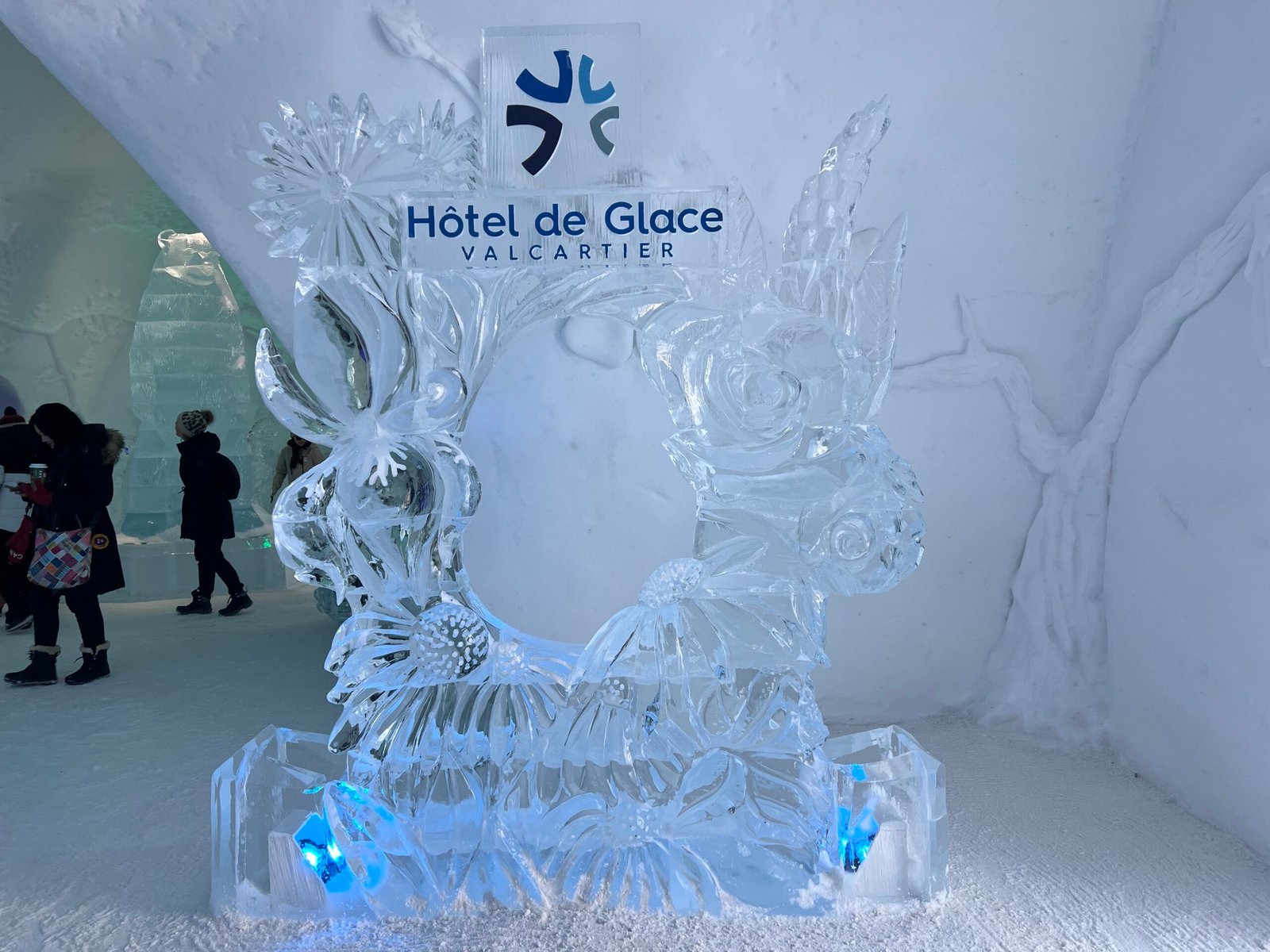
Think about it, a standard hotel room photographs like a standard hotel room. Even luxury hotels often look similar in photos. But for an ice hotel, every single angle is unique. The sculptures, the lighting, the architectural details, the hand-carved details of the ceiling. Even the bed side table is ice and very room has a different theme.
Hôtel de Glace has built-in marketing they don’t even need to pay for since every guest becomes a content creator. They’re paying $400-$1000 to stay here, then advertising the hotel for free on social media. The #hoteldeglace hashtag on Instagram has over 20,000 posts which is exceptionally high for hospitality content. This is the experience economy’s secret weapon. When the product IS the content, customers do your marketing for you.
Pricing Power and Why People Pay More to Be Cold
Here’s where it gets interesting because why is the hotel able to charge premium rates? Standard Ice Room rates are around $479/night, theme suites and Premium suites cost way more. I’d say it’s because you’re not paying for square footage or thread count or amenities. You’re paying for a story you’ll tell for 20 years. There’s also subtle yield management happening too. Weekends cost more than weekdays, Peak Winter Carnival weeks cost way more. This is the same logic airlines use; when supply is fixed and demand spikes, prices rise. In addition, since the experience is differentiated – I mean, there aren’t ten ice hotels down the road – your bargaining power as a buyer is low. You can’t easily substitute it or comparison shop.
The Economics & Business Model
Revenue Model Overview
Now let’s get into the actual numbers. How does this business really work financially?
Disclaimer – Hotel de Glace doesn’t make its financials public, so this is based entirely on my personal research and estimates.
Hôtel de Glace makes money from four main sources:
- Overnight room stays.
- Day tours
- Events and weddings.
- Food, beverage, and the ice bar.
The Four Revenue Streams
- Overnight room stays
Hôtel de Glace has 30 rooms and they are open about 70 days per year: from January through mid-March. That’s 30 rooms times 70 days equals 2,100 possible room-nights per season. At about 80% occupancy, they will sell around 1,680 room-nights.
Average price per night: $550. Estimated total room revenue: ~ $920,000.
- Day tours.
Not everyone wants to sleep on ice, but lot of people want to see it. Honestly, I think I’ll want to sleep here sometime, maybe next year if I can convince a friend to come with me just to make sure I don’t freeze off in the middle of the night.
For the tour, you walk through the hotel, see the sculptures, visit the chapel, check out the bar. Typically takes a couple hours. We can estimate that they get about 17,000 day visitors per season.
Day tour pricing: $35 per adult.
17,000 visitors times $35 equals ~ $595,000.
This works well because it’s almost pure profit. The marginal cost of one more visitor is basically zero; they’re just walking through spaces that already exist, and it’s a marketing funnel. Many overnight guests may visit first as day tourists, then book a stay for the following year.
- Events and weddings.
You can actually get married in the ice chapel. Wedding packages range from $4,000 to $11,000 depending on what you want – ceremony, reception, ice bar cocktails, photography, overnight rooms. If we estimate about 20 weddings per season at an average of $8,000 each, that’s a total of $160,000.
Plus corporate events – team building, product launches, etc. Let’s say $140,000 for about 12 events. Total events revenue: around $300,000. And these have crazy high profit margins – probably 60-70% – because the infrastructure already exists. You’re basically just renting the space.
- Food, beverage, and the ice bar.
The ice bar is one of the most profitable spots. Signature cocktails and wine in carved ice glasses run between $12 to $27. About 60% of overnight guests buy drinks. Plus maybe 30% of day tourists.
Ice bar revenue: ~ $100,000.
Then there’s the dinner service. It’s only open Thursdays, Fridays, and Saturdays from mid-January through March. That’s 30 days throughout the season. The restaurant can seat 60 people and it cost $255 per person. At 70% booking rate, that’s a revenue of ~ $460,000.
Total food and beverage: about $560,000.
Total Revenue
Let’s add it all up:
- Rooms: $920,000.
- Day tours: $595,000.
- Events: $300,000.
- Food & beverage: $560,000.
- Total annual revenue: $2.4 million.
Again, this is all based on my research and estimates, not the hotel’s actual numbers. But not bad for three months of operation, right?
The Cost Side
Every winter, they build this hotel from scratch. Construction starts around November until January.
Total costs:
If we estimate Construction costs at $500,000.
Operating costs for daily maintenance of the hotel at $955,000.
And other additional costs like Commissions paid to booking platforms at $165,000.
Permits, inspections at $40,000.
Total Costs: $1.7 million.
Revenue: $2.4 million.
Net profit: Around $740,000.
That’s about a 30% profit margin. That’s actually really good! Traditional hotels typically operate at 20-30% margins. This ice hotel is right at the high end. For a business that literally melts every year and operates just seventy days, that’s remarkable! They’re not building equity in a permanent structure, but they’re also not servicing a 20-year mortgage.
Partnership Economics & Network Effects
The Symbiotic Ecosystem
Here’s where the business model gets really interesting. Hôtel de Glace doesn’t exist in isolation. It’s part of a larger Quebec tourism ecosystem, and everyone benefits. The hotel is about forty minutes north of Old Quebec City so far enough to feel remote and wilderness-like, but also close enough that visitors can easily experience both.
They’ve built explicit partnerships, not just with the Winter Carnival, but with Quebec’s broader tourism infrastructure. However, the relationship extends beyond carnival. Quebec Tourism features the ice hotel in international marketing campaigns, the hotel appears in destination videos promoting Quebec as a winter tourism hub.
From Quebec City’s perspective, the ice hotel attracts higher-value tourists who spend more per visit, and from the ice hotel’s perspective, they’re plugging into an existing tourism ecosystem rather than trying to create demand from scratch. Quebec Tourism’s multi-million dollar marketing budget drives awareness. The carnival creates urgency during peak weeks. The region’s winter sports and cultural attractions give guests reasons to extend their stays. Pure mutualism. The ice hotel benefits from Quebec’s tourism infrastructure and destination marketing. Quebec benefits from having a world-class unique attraction that differentiates them from other winter destinations and attracts international media attention.
The ice hotel isn’t just benefiting from the festival and regional tourism. It’s enhancing both. When international travel media covers Quebec’s winter offerings, the ice hotel is always featured. It has become synonymous with Quebec winter tourism and that’s a signature experience that puts Quebec on the map as a winter destination worth traveling to. Neither party pays the other directly, but the economic value exchanged is enormous. The hotel gets marketing reach it may never afford independently. Quebec gets a one-of-a-kind attraction that elevates the entire destination’s appeal. Classic symbiotic economics.
Fragility of the Model
Now we’ve seen how it works. The economics make sense, the ecosystem is strong, they’re profitable. The reality however is that this entire business is built on ice (literally) and there are some major threats that could melt everything.
The Threats
- Weather & Climate Change.
The most obvious threat is weather. Ice hotels can only operate within a very specific temperature range. Too warm, and the ice melts faster than refrigeration can compensate. Quebec City’s average winter temperatures have risen about half a degree every ten years. By 2040 or 2050, winters might be too warm for ice hotels here. One warm season could bankrupt the operation, and that threat grows every year.
- Market Saturation.
Another threat is competition. When this hotel opened in 2001, there were very about 5 ice hotels worldwide. Today, there are about 12. The novelty is wearing off. Ice hotels are a one-and-done experience. For most guests, once is enough, only a few would return. So you’re constantly chasing new customers from a limited pool of people willing to sleep in ice. When supply exceeds demand, pricing pressure begins.
- Operational Brittleness.
Finally, operational fragility. If November is too warm and construction delays, the hotel may not open in early January as planned, then they lose revenue. You can’t extend the season as March starts warming up based on nature’s schedule. Also, any major problem means closing everything. It’s a short ten weeks with little margin for error.
This model is fragile, climate change is existential, competition is growing, and one viral negative review could be devastating. For now, the business model works, and that’s what makes it fascinating.