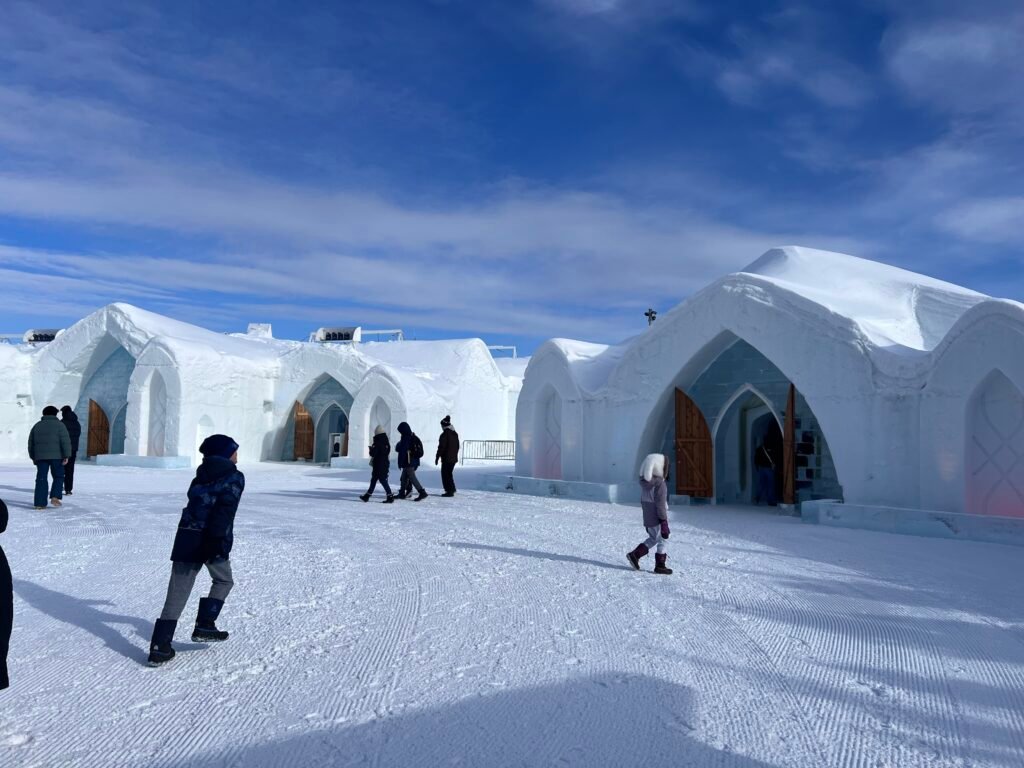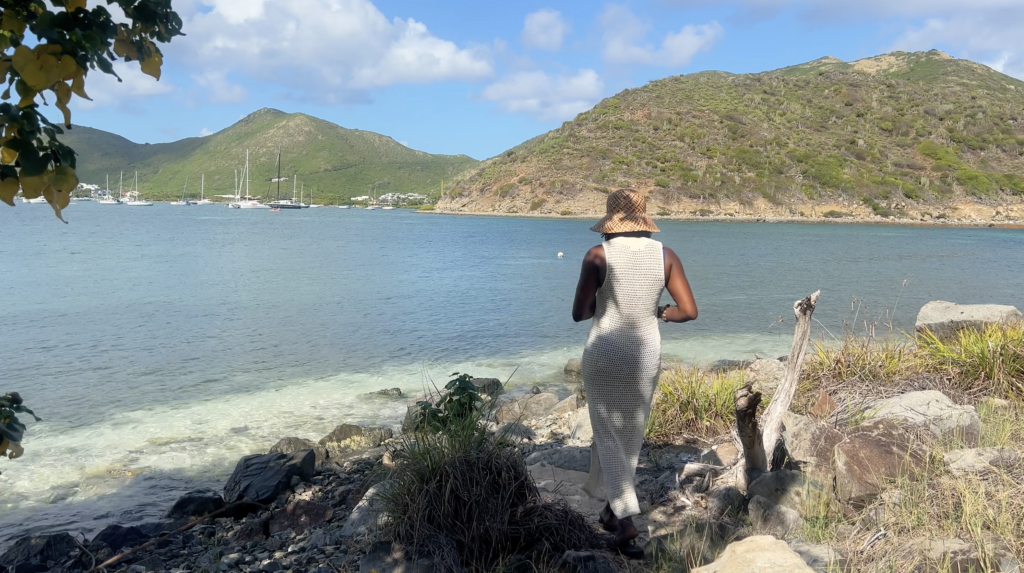
There is a contradiction in how Canadians travel. Canada is a country defined by abundance- vast landscapes, dramatic coastlines, world-class cities, and some of the most recognizable natural scenery in the world. From the Rockies to the Maritimes, from northern lights to urban skylines, Canada offers the kind of diversity most countries would envy. Yet, many Canadians prefer to vacation outside of the country.
For a significant portion of the population, it is often cheaper, easier, and more appealing to fly to Mexico, the Caribbean, or even Europe than it is to explore their own country. At first glance, this feels counterintuitive, but the more closely you look, the more it makes sense. Canadians are not ignoring their backyard out of indifference. They are responding – quite rationally – to a system of pricing, psychology, and expectations that quietly pushes them outward.
Table of Contents
- The Cost Comparison (Domestic vs All-Inclusive Travel)
- The Psychology of Pricing: Why the Same Price Feels Different
- Beyond Flights: The Full Cost of Travelling Within Canada
- What “Vacation” Means: Culture, Expectations, and Escape
- What Canada Offers (That Gets Overlooked)
- The Structural Challenges Behind Canadian Tourism
- Final Thoughts
The Cost Comparison (Domestic vs All-Inclusive Travel)
Let’s start with the numbers. Take a short, four-day trip from Toronto to Banff as an example.
- Flights: around $500 (if you’re lucky)
- Hotel: easily $2,000
- Rental car: about $400 (you absolutely need one)
- Meals: roughly $400
- Activities: another $300
That brings you to about $3,600, and that’s being conservative.
Place that beside an all-inclusive vacation to Cancun. Flights, accommodation, meals, drinks, and entertainment, all bundled together, often come in at around $2,400, sometimes less depending on timing. The comparison is immediate and persuasive. But what makes international travel particularly compelling is not just that it can be cheaper; sometimes, it is also simpler. Domestic travel in Canada is a series of decisions. Every meal requires thought. Every activity comes with a price tag. Every small convenience – parking, transport, entry fees – introduces another layer of cost. All-inclusive travel removes that friction. You pay once, and then you stop thinking about money. That shift, from constant calculation to mental ease, changes how a trip feels before it even begins.
The Psychology of Pricing: Why the Same Price Feels Different
The interesting part is this isn’t only about cost, it’s also about perception.
Itemized vs Bundled Pricing
The gap between domestic and international travel is not purely financial, it is also psychological. Two trips can cost the same amount and still feel entirely different in value. Spending $2,400 on a domestic trip can feel excessive, even indulgent. Spending the same amount on a week in Mexico or Europe can feel like a bargain. Part of this comes down to how prices are presented. Domestic travel is itemized and visible: flights, hotels, meals, transportation, activities. The cost builds gradually, and the accumulation is hard to ignore. International vacation packages, by contrast, are bundled. The brain processes it differently, not as a series of expenses, but as a single, contained purchase.
Anchoring and Expectations
There is also the matter of comparison. Domestic prices are judged against everyday Canadian costs, which are already high. International travel, however, is compared against the idea of escape, distance, novelty, and experience. The same dollar amount, anchored differently, produces a completely different emotional response.
Social Value
Then, there is the social dimension. Travel is not just about where we go; it is also about how those experiences are perceived. A trip to the Maritimes may be beautiful, meaningful, even transformative, but it does not carry the same immediate recognition as a trip to Bali or Italy. Whether consciously or not, people assign different social value to different destinations. The same money buys not just an experience, but a story, and some stories travel further than others.
Beyond Flights: The Full Cost of Travelling Within Canada
Flights are just the beginning. Beyond perception, the structural realities of travel in Canada reinforce the choices Canadians make.
Accommodation costs in major destinations remain consistently high, particularly during peak seasons. In places like Banff or Whistler, nightly rates can rival or exceed those of international resorts. Budget options are limited, especially outside major cities, and the lack of alternatives narrows the range of choices available to travellers.
Dining and activities follow a similar pattern. Meals in tourist areas are expensive, and experiences (gondolas, guided tours, park access, equipment rentals) accumulate quickly. What begins as a trip centered on nature or exploration gradually becomes an exercise in cost management.
International destinations, particularly those built around tourism, are structured differently. Many operate within highly competitive markets, where pricing is optimized to attract foreign visitors. Lower labour and operational costs, combined with large-scale partnerships between airlines, hotels, and tour operators, allow for pricing models that are difficult to replicate domestically.
Exchange rates can further widen this gap. When the Canadian dollar holds strength against certain currencies, destinations in Mexico, Southeast Asia, or parts of Europe become even more attractive. Domestic prices, by contrast, remain largely unaffected.
What “Vacation” Means: Culture, Expectations, and Escape
But perhaps the most powerful force shaping these decisions is cultural.
For many Canadians, the idea of a “real vacation” is tied not just to distance, but to a feeling of escape. It is not enough to be somewhere different, the experience must feel detached from everyday life.
Domestic travel often struggles to deliver that separation. The currency is the same. The systems are familiar. The logistics – booking meals, planning activities, managing expenses – mirror daily routines. Even in the most beautiful settings, the experience can feel like an extension of ordinary life rather than a departure from it.
International travel, particularly in all-inclusive formats, offers something else entirely. You arrive, check in, and step into a contained environment where decisions are minimized and expectations are predefined. The mental shift happens almost immediately.
Climate plays its role as well. For a country that spends much of the year in cold or unpredictable weather, the promise of guaranteed sunshine carries significant weight. A beach destination is not just a place, it is a contrast. It offers something that cannot be easily replicated at home, especially during the long winter months.
There is also a subtle hierarchy in how destinations are perceived. Cities like Paris or Rome carry cultural prestige that domestic destinations, no matter how beautiful, often do not. This perception is reinforced through media, social platforms, and long-standing narratives about what constitutes “meaningful” travel.
Finally, there is the quiet assumption that Canada can wait. The country is vast, familiar, and always accessible. It becomes something to explore “eventually.” International destinations, by contrast, feel finite and time-sensitive. They demand to be experienced now.
What Canada Offers (That Gets Overlooked)
None of this diminishes what Canada offers. The country remains one of the most diverse and compelling travel destinations in the world. Its landscapes are unmatched in scale and variety. Its cities are rich in culture and character. Its experiences, from wildlife encounters to Indigenous tourism, are both unique and deeply rooted in place. The challenge is not the product, it is the system around it.
High operating costs, short tourism seasons, limited budget infrastructure, and gaps in transportation all contribute to a travel environment that is harder to navigate and, often, more expensive to access. These are not individual shortcomings, they are structural realities that shape how travel is priced and experienced.
The Structural Challenges Behind Canadian Tourism
Canadian tourism faces structural constraints- High operating costs (passed directly to travellers), Short tourism seasons in many regions, Limited budget infrastructure, Weak transportation between destinations. If you don’t have a car, travel becomes even more difficult and expensive. So it’s not just perception, it’s also more of structural reality.
Final Thoughts
Ultimately, Canadians travel abroad instead of exploring Canada because it’s cheaper, simpler, warmer, and often feels like better value.
This is not a rejection of Canada; it’s more a response to pricing, to psychology, and to how the system is built. Because travel isn’t just about seeing a place, it’s about how that place makes you feel.