At first glance, Hotel Monville looks like a stylish modern hotel in downtown Montreal, it actually is a very stylish modern hotel in downtown Montreal. But behind the sleek lobby, compact rooms, and efficient layout is what I consider a more interesting business model. With exactly 269 rooms, Hotel Monville sits in what I would call the ‘profitability sweet spot’ for urban hotels. It is not a tiny boutique hotel, but also not a giant resort either. Instead, it lands in that middle range where fixed costs can be spread efficiently, staffing stays lean, and revenue per square foot can be pushed higher.
Table of Contents
- The 269-Room Hotel Profitability Model
- First Impressions of Hotel Monville
- The Design Philosophy Behind the Hotel
- Room Tour: Compact Luxury and the Economics of Space
- The Economics Behind Room Size
- Bathroom Design Efficiency
- The Fixed Cost Advantage in Hotel Operations
- The Revenue Picture
- Right-Sized Amenities
- Price and Value
The 269-Room Hotel Profitability Model
The hotel has exactly 269 rooms, and in the hotel industry, that number can be the difference between being very profitable and barely surviving. Too small, and you can’t spread your fixed costs. Too big, and you may become inefficient and expensive to operate. At 269 rooms, this urban hotel is able to maximize revenue per room while keeping costs lean.
First Impressions of Hotel Monville
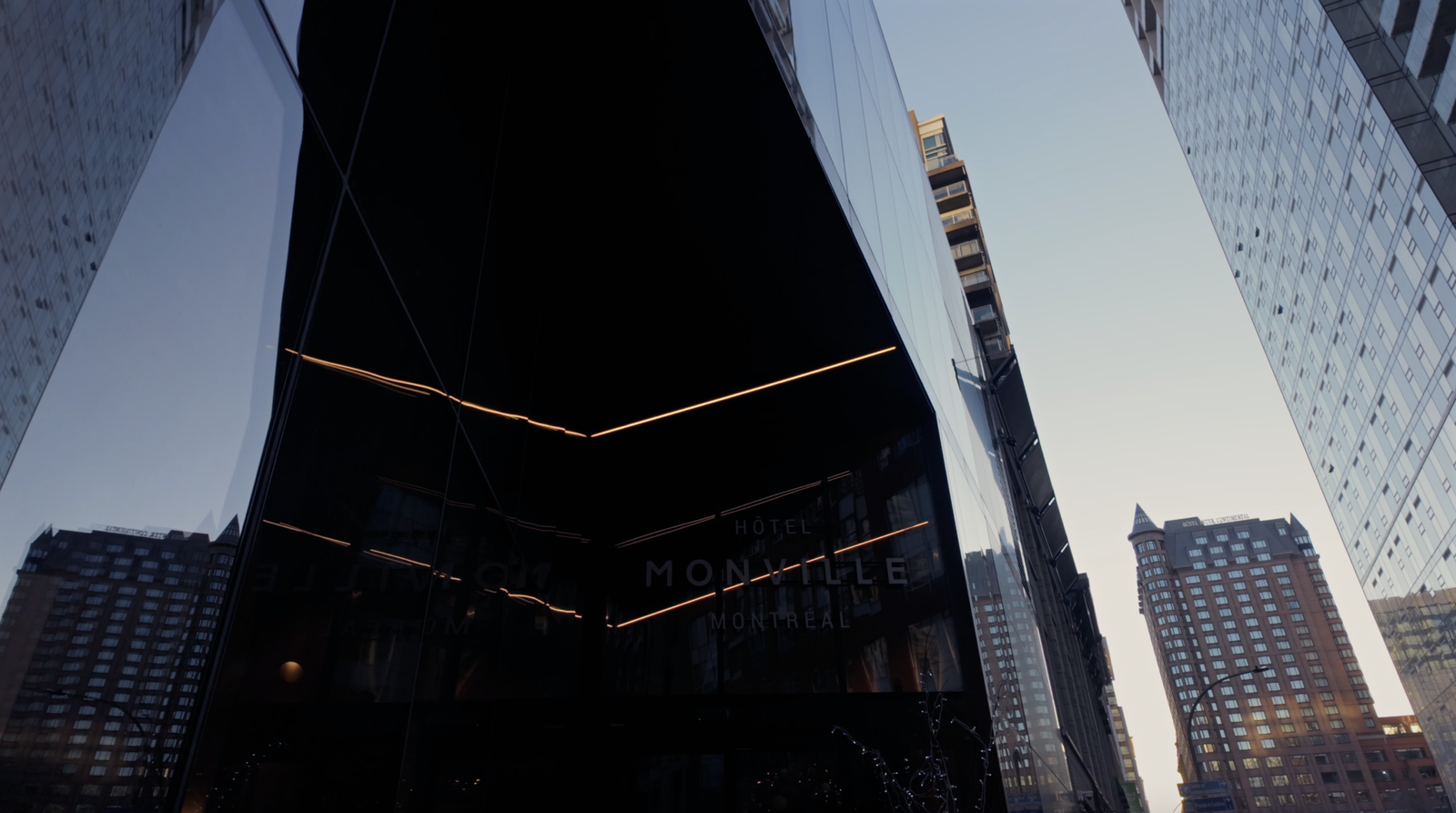
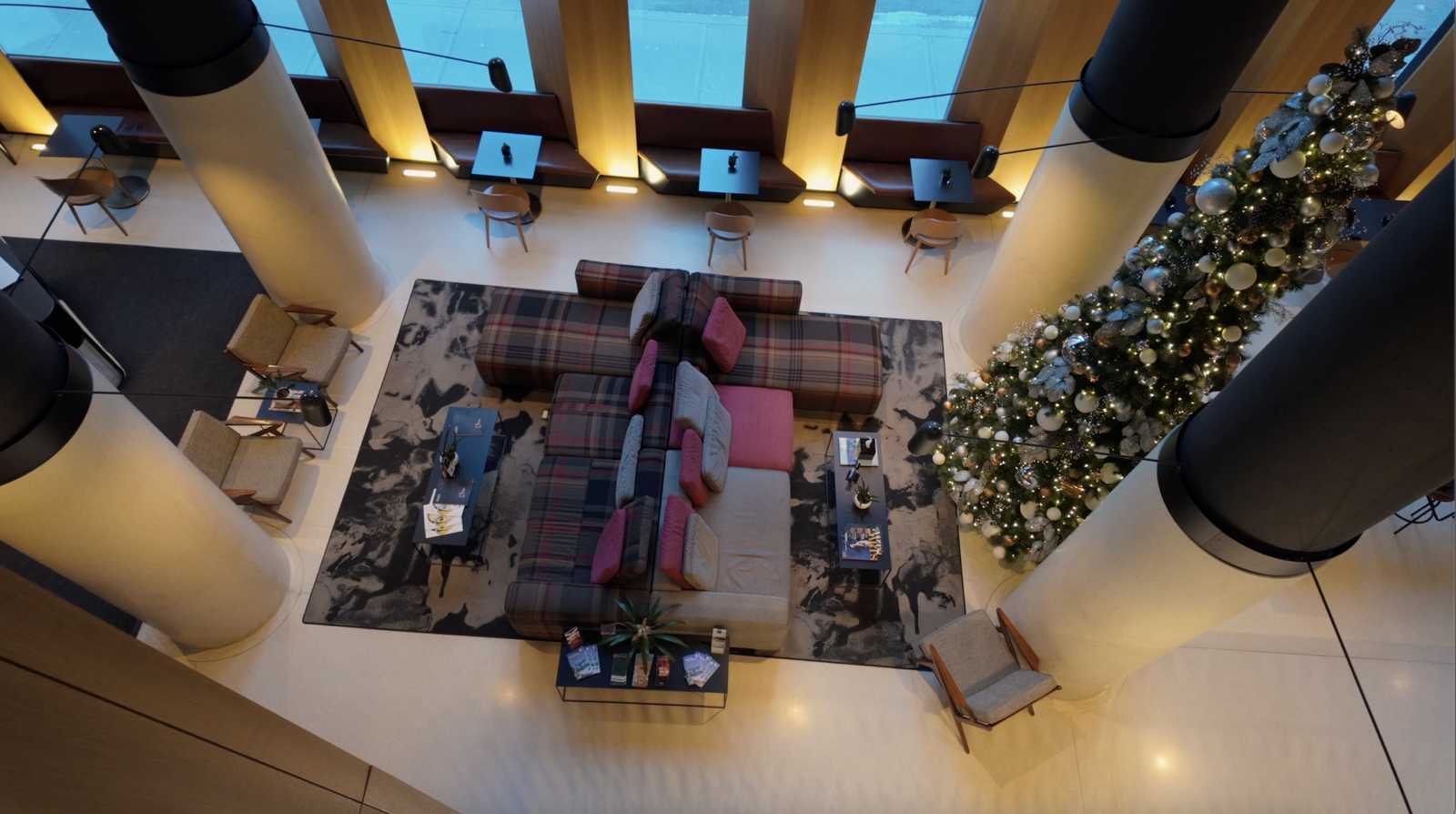
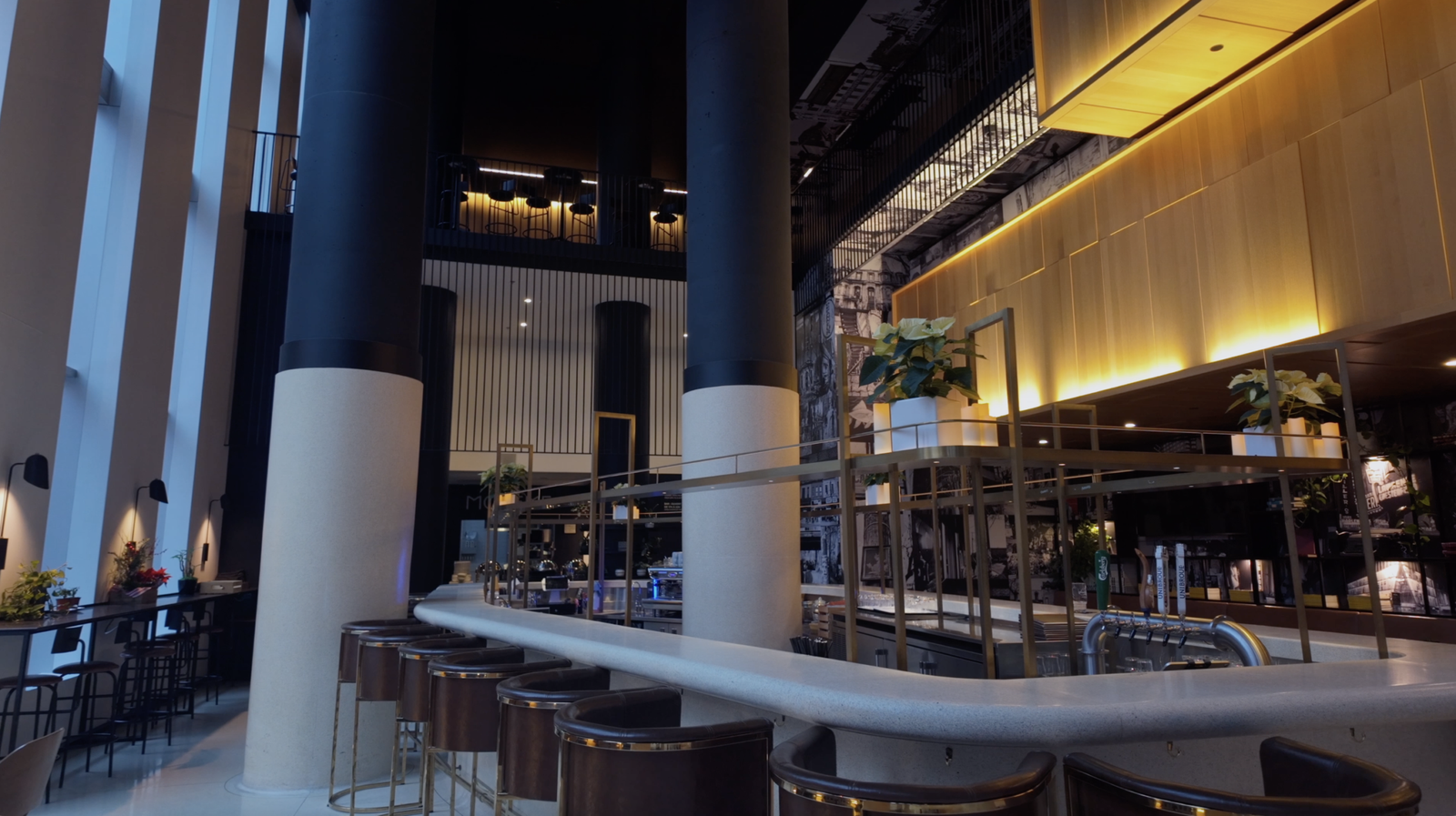
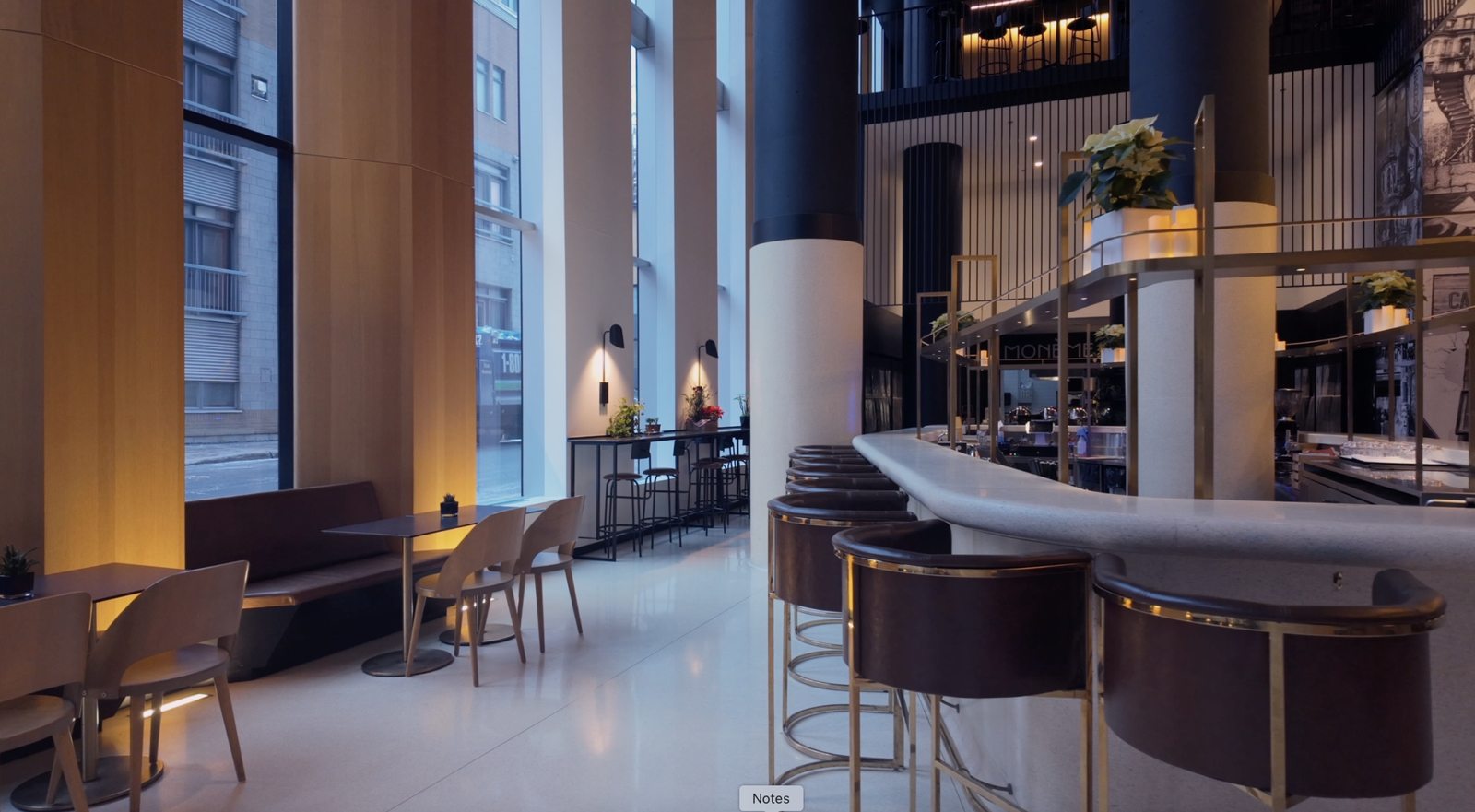
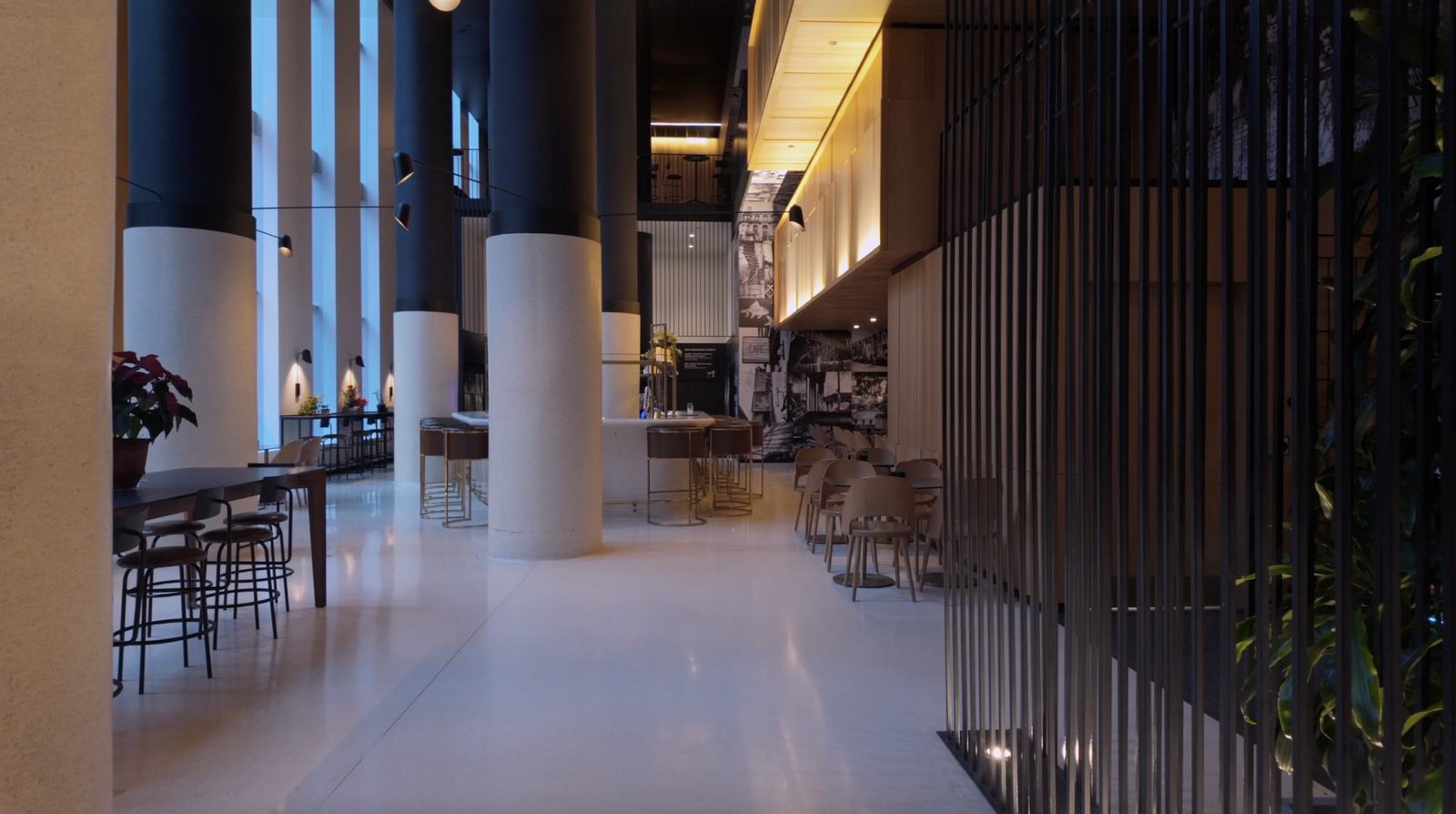
I arrived at 1pm shortly after receiving notification that my room was ready which was perfect timing since I had just left the airport a few minutes prior. For context, I had emailed the hotel a few days before my stay to inform them of my flight arrival time and requested if I could have an early check-in. Check-in was efficient and quick. The hotel actually offers self-check-in kiosks, but I went to the front desk instead. Walking into Hotel Monville, you immediately notice the contemporary industrial design. This hotel opened in March 2018, so everything still feels fresh and modern.
The Design Philosophy Behind the Hotel
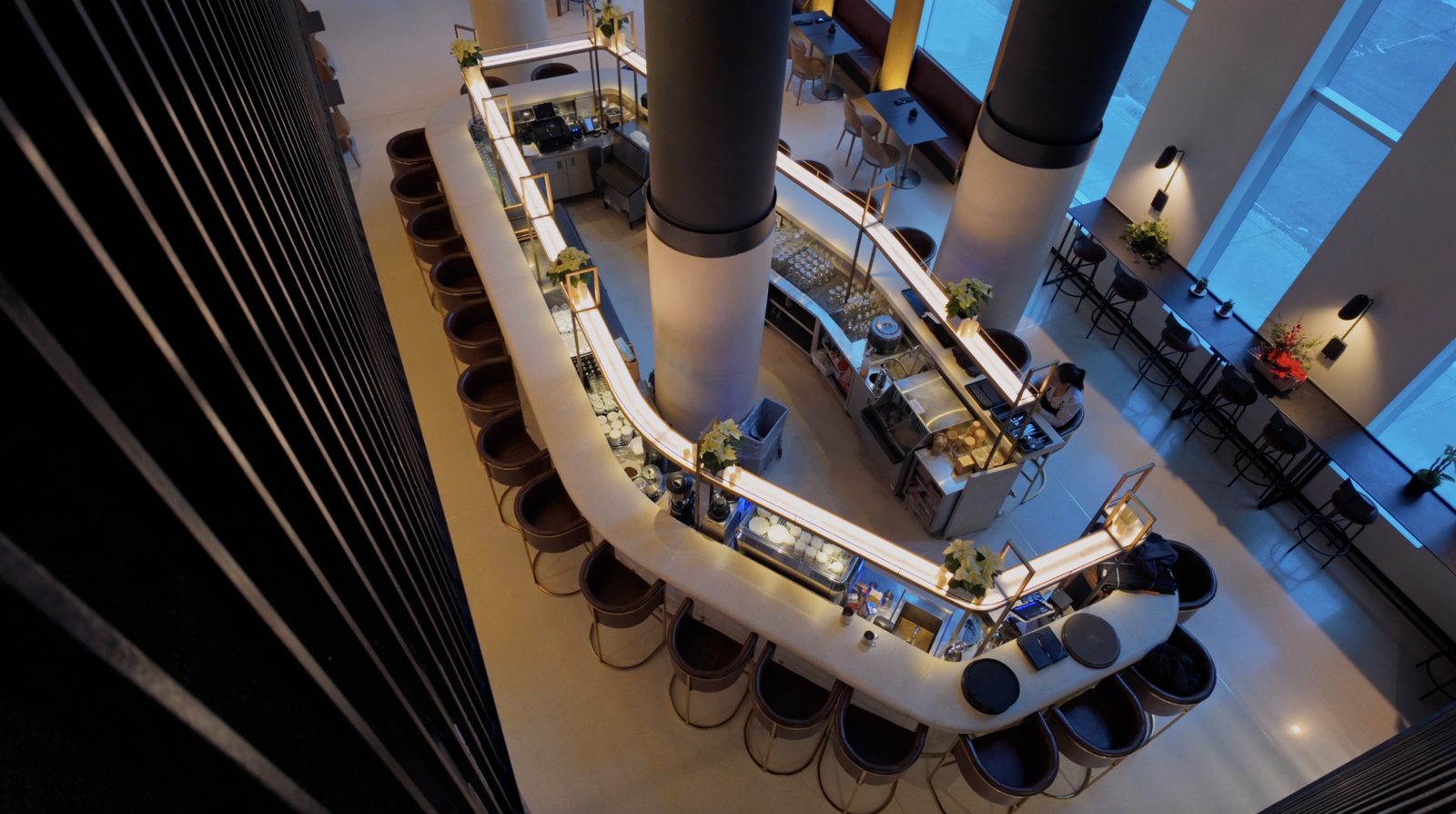
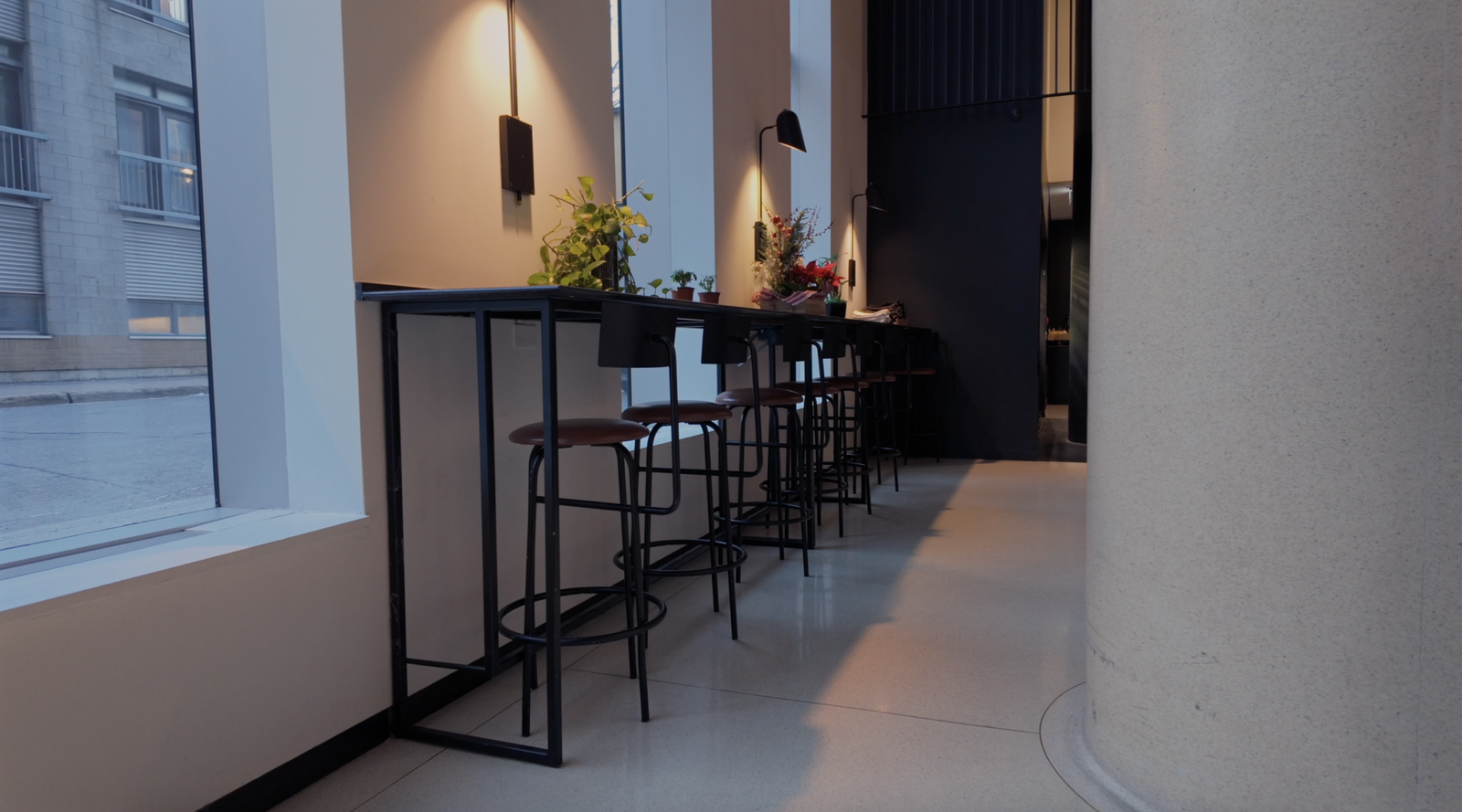
The hotel’s design philosophy blends three distinct concepts: Modern Industrial with exposed structural columns, matte black metal frameworks, and a stark monochrome palette; Scandinavian Minimalism with light oak, neutral tones, and clean-lined furniture; Boutique Luxury with brass fixtures and leather banquettes.
The lobby itself is a triple-height volume filled with cathedral-style columns painted in a two-tone scheme: white at the base, black above. The columns are more structural elements than purely decorative. The floor is stark white terrazzo, matched by a central bar in the same material while the ceiling overhead is black, creating a dramatic contrast. Across the walls, a mural by Montreal artist Valérie Keaton tells the city’s story through vintage black-and-white photographs, tying the space to local history. The furniture brings warmth into the monochrome scheme- purple tartan sofas, brass bar stools, and leather banquettes scattered throughout the lounge areas. Just above the lobby, the second and third floors house meeting rooms, a large banquet hall, and additional sitting areas.
Room Tour: Compact Luxury and the Economics of Space
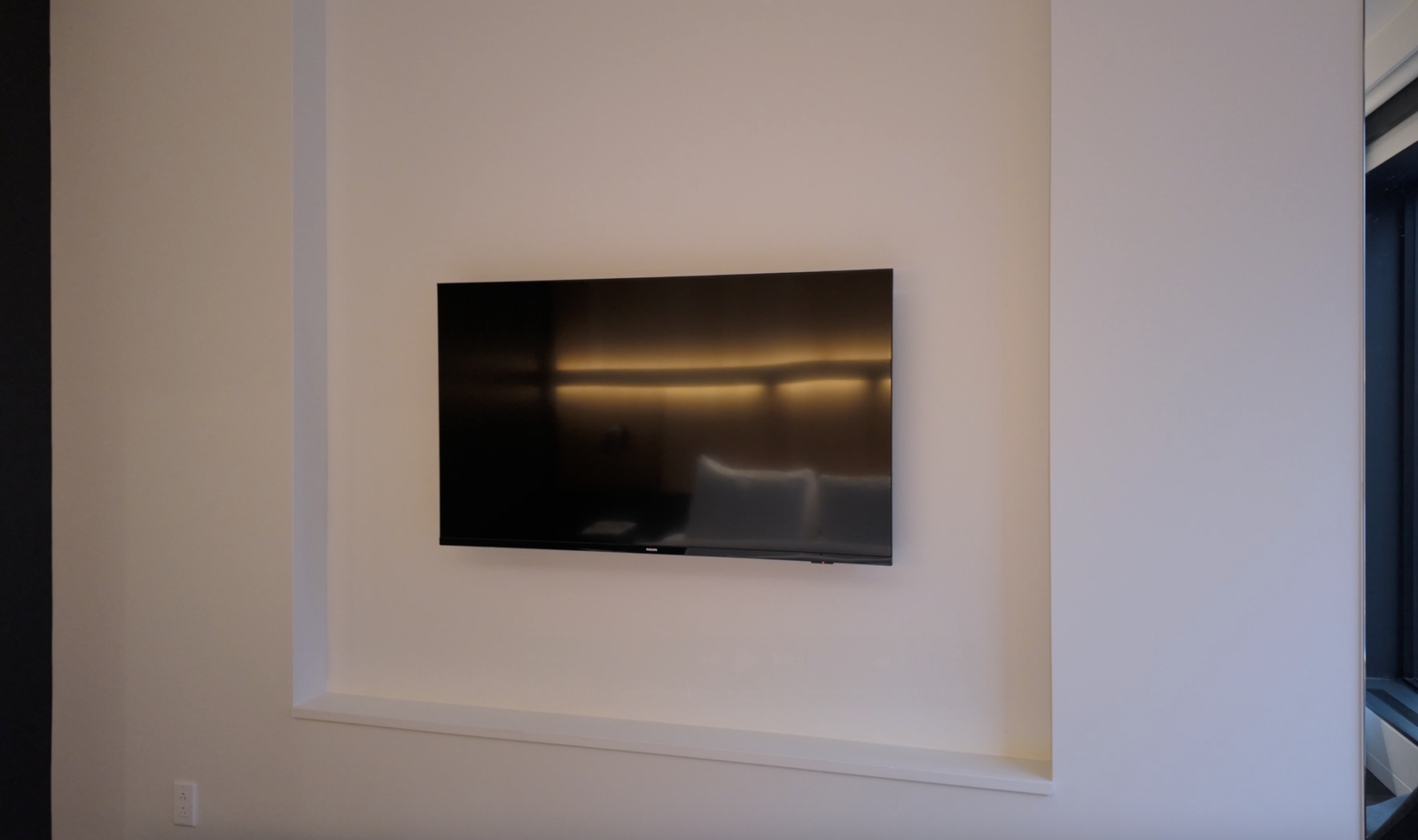
I stayed in a standard room while I was here. Standard rooms come in lower floor and upper floor options, and the upper floor rooms cost more because good views come at a premium! C’est la vie! All standard rooms have 1 King bed with no room divider TV stand and no seating area. Then there’s the Suite with 1 King bed, no room divider TV stand, but it does include a seating area. All of the other suites- The Deluxe Suite, The Corner Suite, and The Monville Suite- feature 1 King bed, a room divider TV stand, and a seating area.
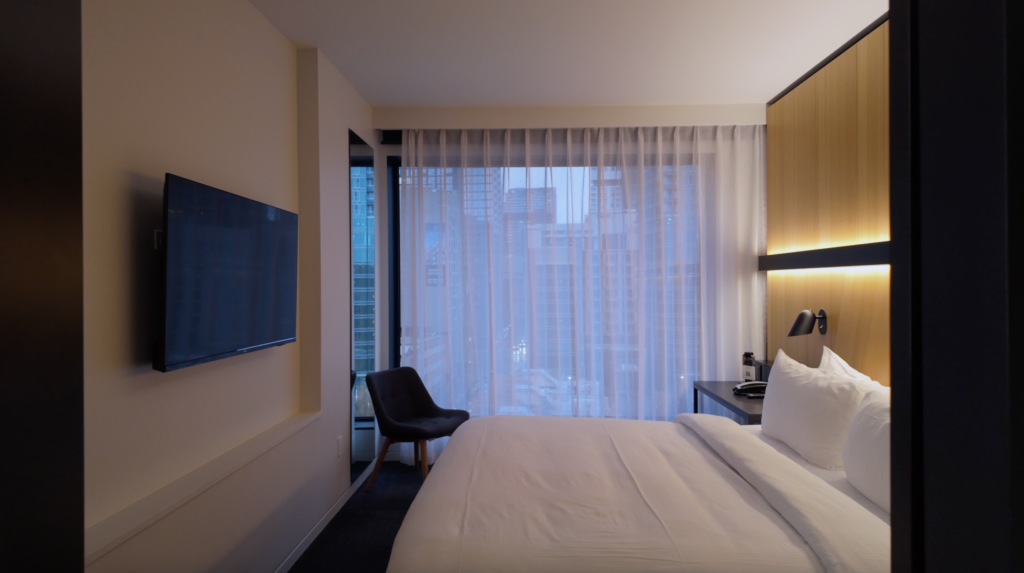
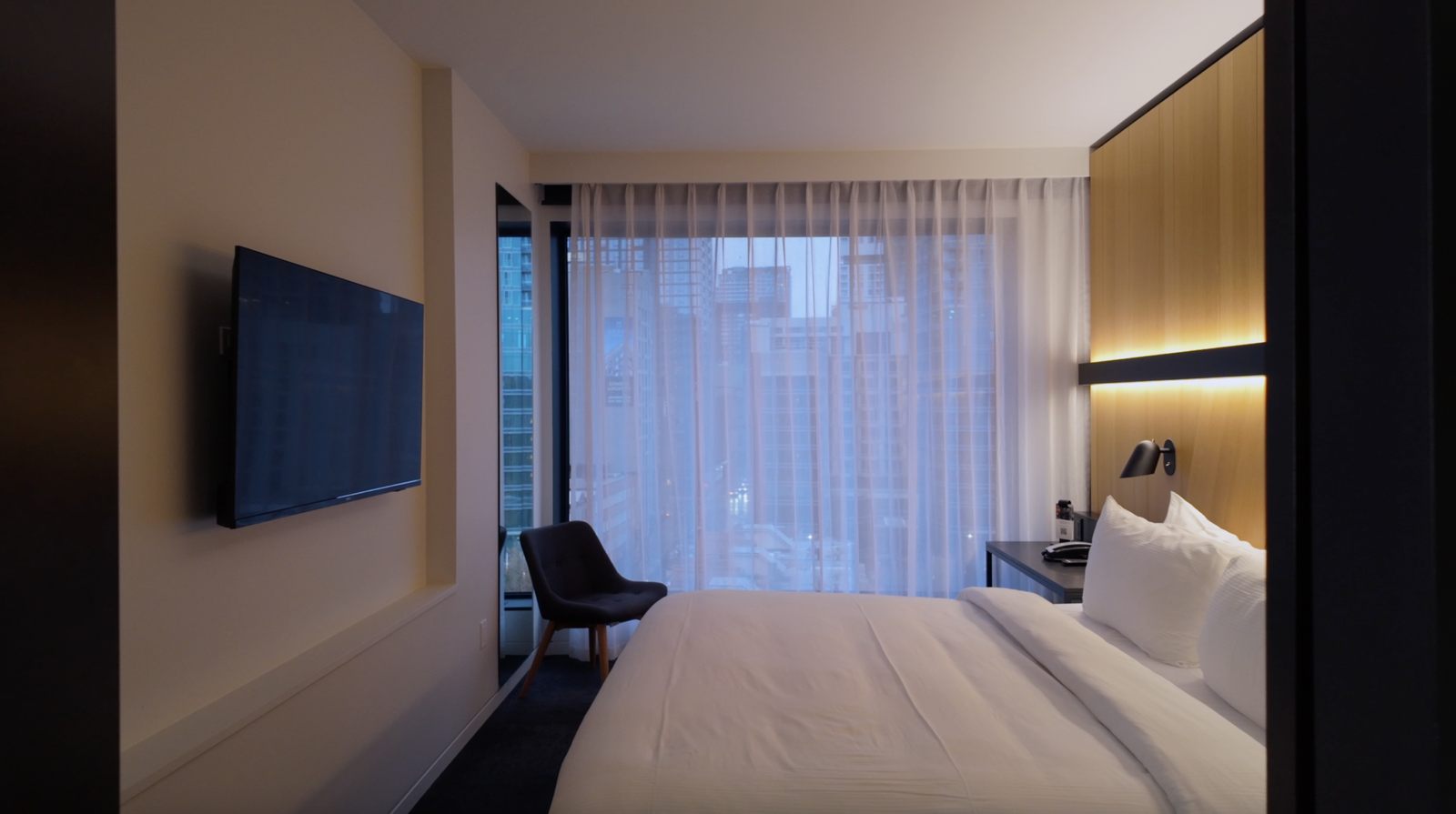
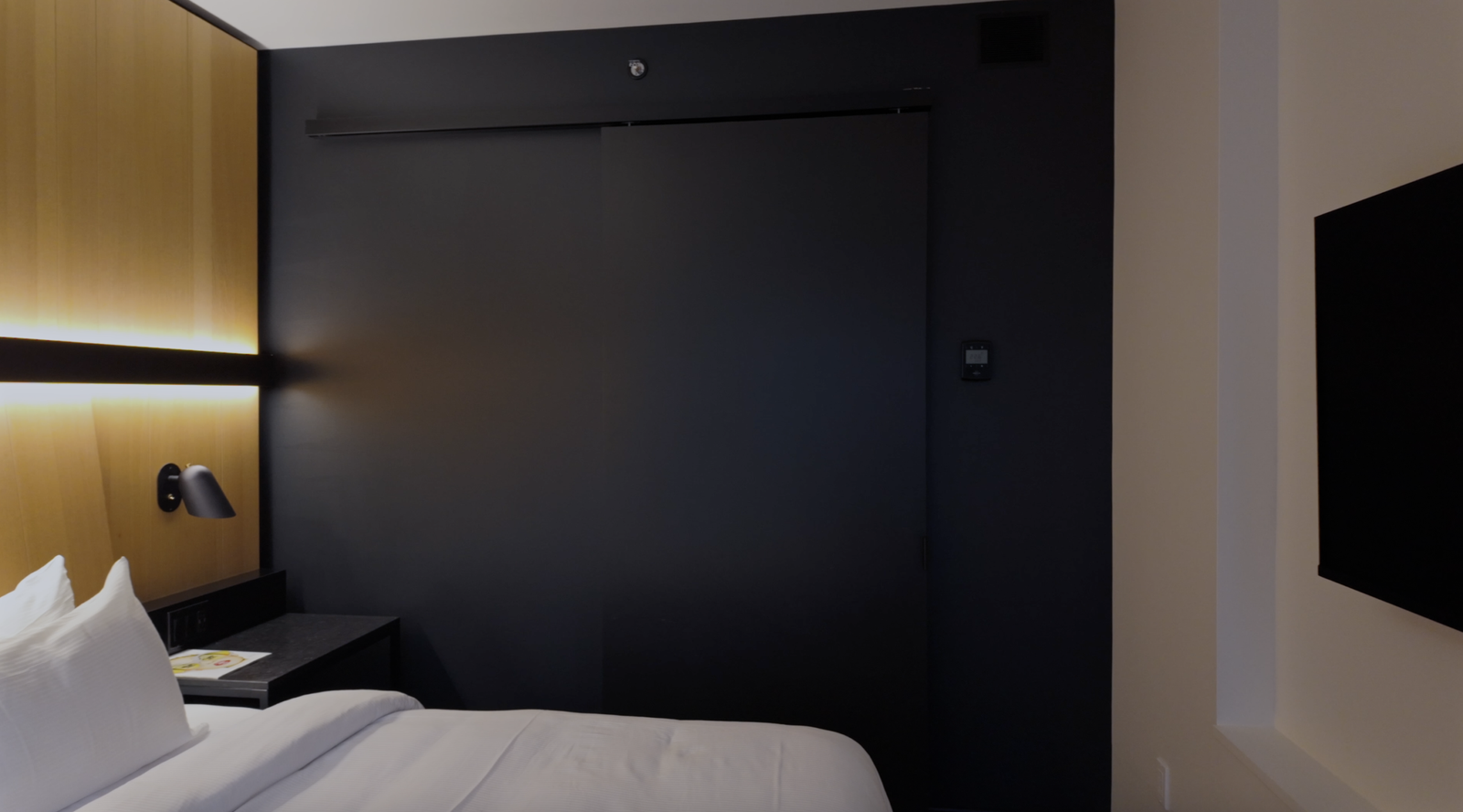
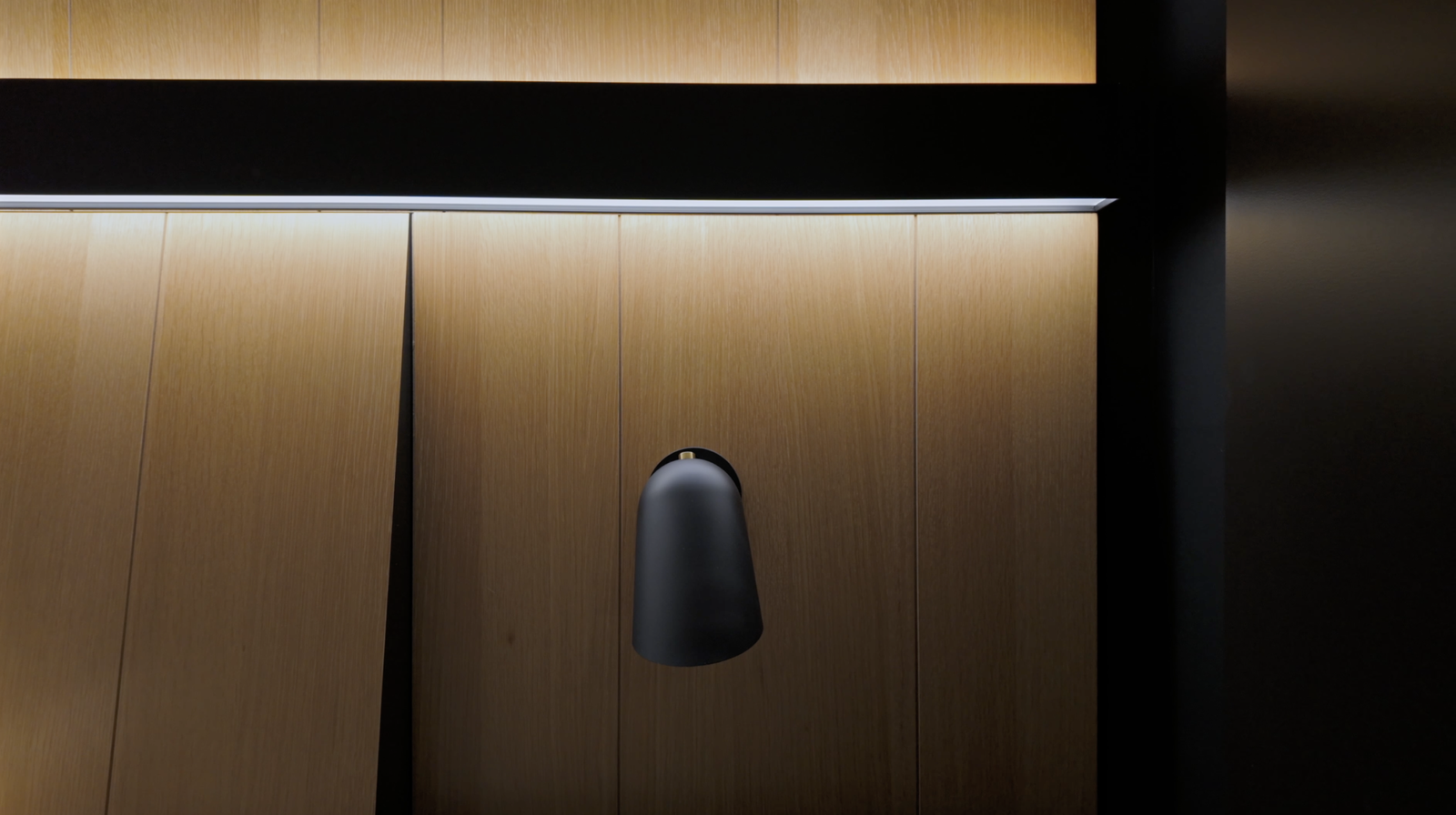
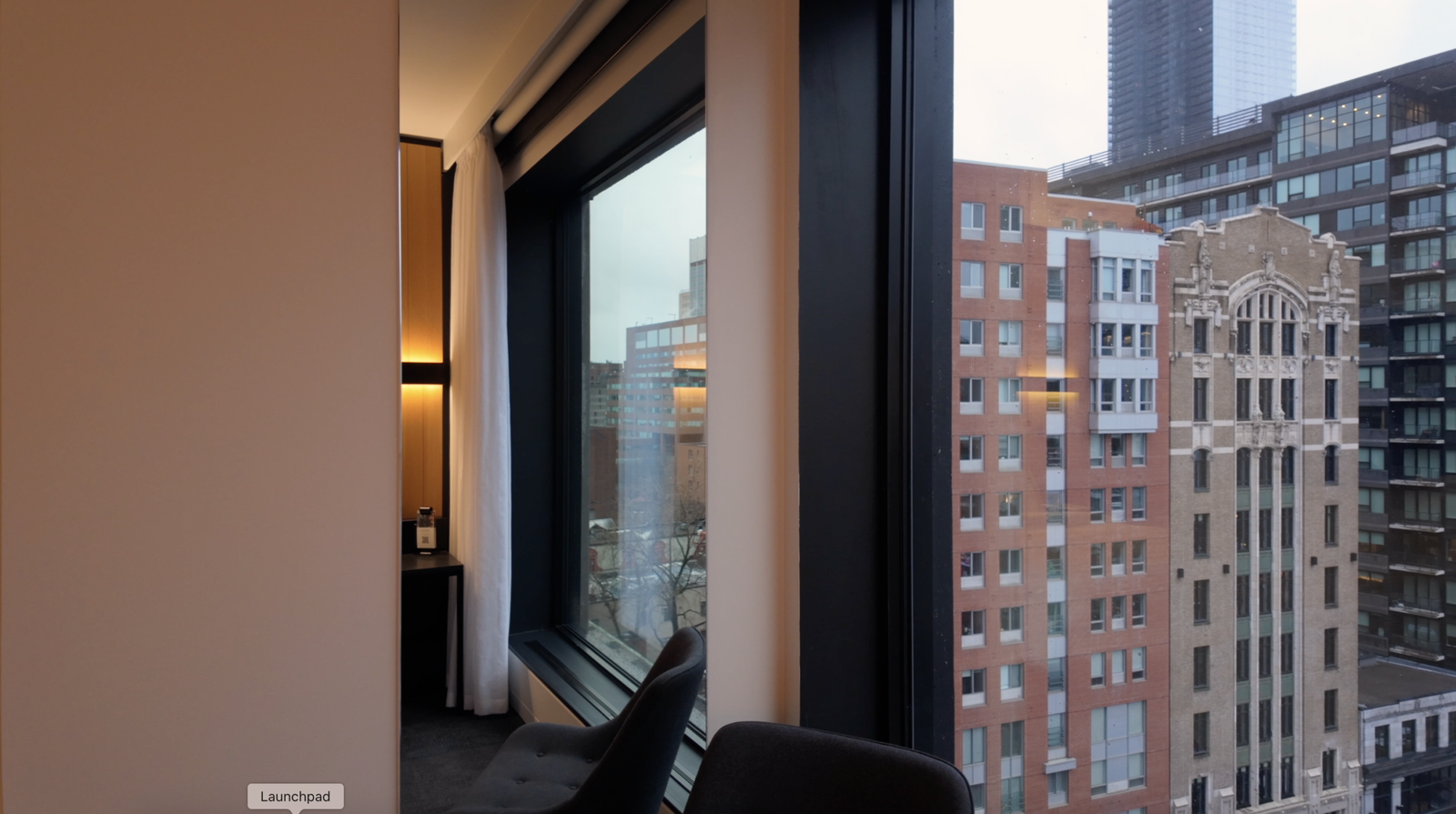
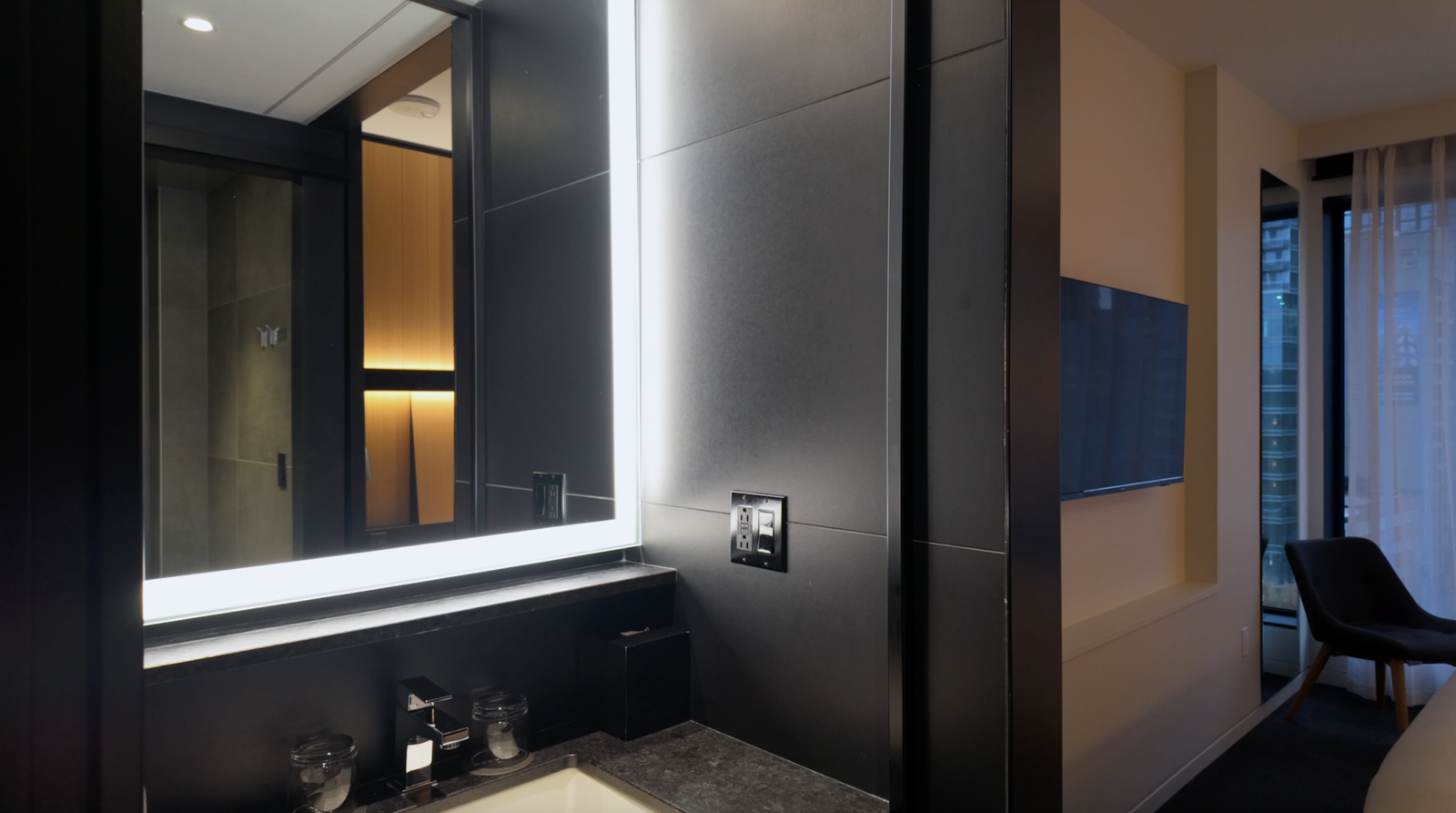
Since I only stayed in the standard room, I’ll speak more to the experience there. The room size is small, I’ll be honest about that. It’s compact but also intelligently designed to maximize every inch of space. What immediately stands out is the floor-to-ceiling windows that expand the sense of space, flood the room with natural light, and make the city views part of the décor. They also have remote-controlled blackout blinds, which is a very nice touch. The headboard wall is covered in vertical oak wood slats with an integrated horizontal LED strip that adds warmth and dimension. White walls and grey carpet keep the backdrop neutral. The minimalist black accents — fixtures, frames, hardware — all tie back to the hotel’s industrial palette. The furniture is Scandinavian-inspired with molded seats, simple legs, sleek nightstands.
The Economics Behind Room Size
Here’s the economic angle that makes this room size a deliberate strategy, not just a compromise. This standard room is 240 square feet and that’s the smallest category in the hotel. The building itself, according to the architects, ACDF, is 160,000 square feet. So where does the rest go?
About 55% of the building isn’t guest rooms at all. It’s the lobby, the restaurant, the rooftop terraces, underground parking, meeting spaces, corridors, mechanical rooms, all the stuff that makes a hotel actually function. The guest rooms themselves probably take up roughly 71,400 square feet of that 160,000. Hotel Monville doesn’t run a single room size, it runs five different room types. Standards at 240 square feet, Suites at 347 square feet, Corner Suites at 360 square feet, Deluxe Suites at 377 square feet, and the Monville Suites at 435 square feet.
With 215 of the 269 rooms as standards and 54 as suites, when you work out the weighted average across the whole building, you get about 265 square feet per room. A luxury hotel typically offers rooms in the 350 to 400 square foot range. Let’s use 375 as the benchmark. If you took Hotel Monville’s actual room footprint (about 71,400 square feet) and filled it with 375 square foot luxury rooms instead, you would fit 190 rooms. Monville fits 269. That’s 79 extra rooms in the exact same building. The revenue math is straightforward. 79 rooms, at say $120 a night on average, 365 days, 65% occupancy rate. That’s an extra $2.25 million a year. Same land., same building envelope, just a different philosophy about how big a room needs to be. This isn’t specific to Monville, it’s the playbook for modern urban hotels across North America and Europe.
It works because for most urban hotel stays, guests aren’t spending most of their time in the room anyway. The floor-to-ceiling windows expand the sense of space, the minimalist design keeps it from feeling cramped, and the price reflects the trade-off. Most guests in a city like Montreal probably don’t want to pay for square footage they’ll never use.
Bathroom Design Efficiency
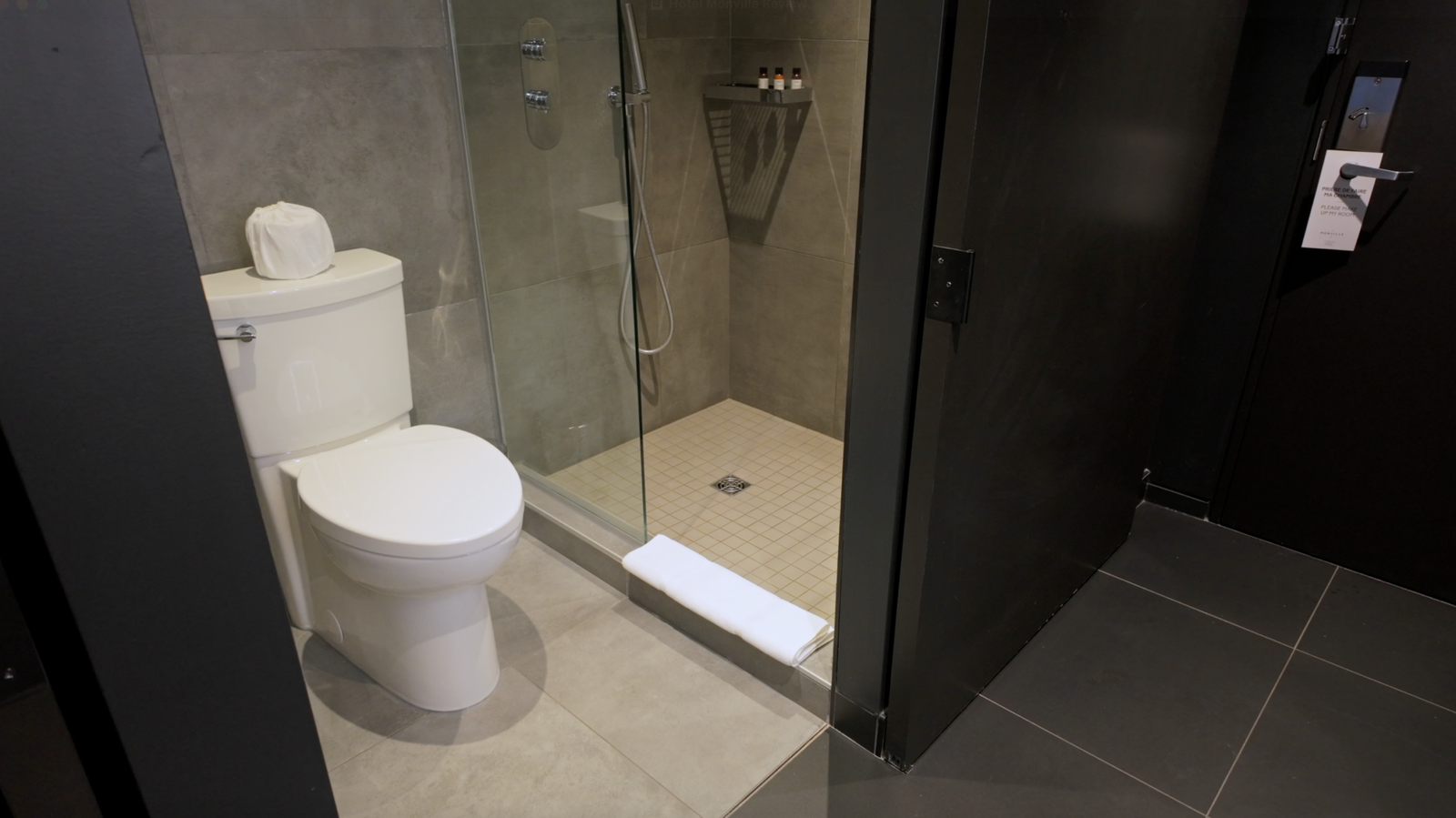
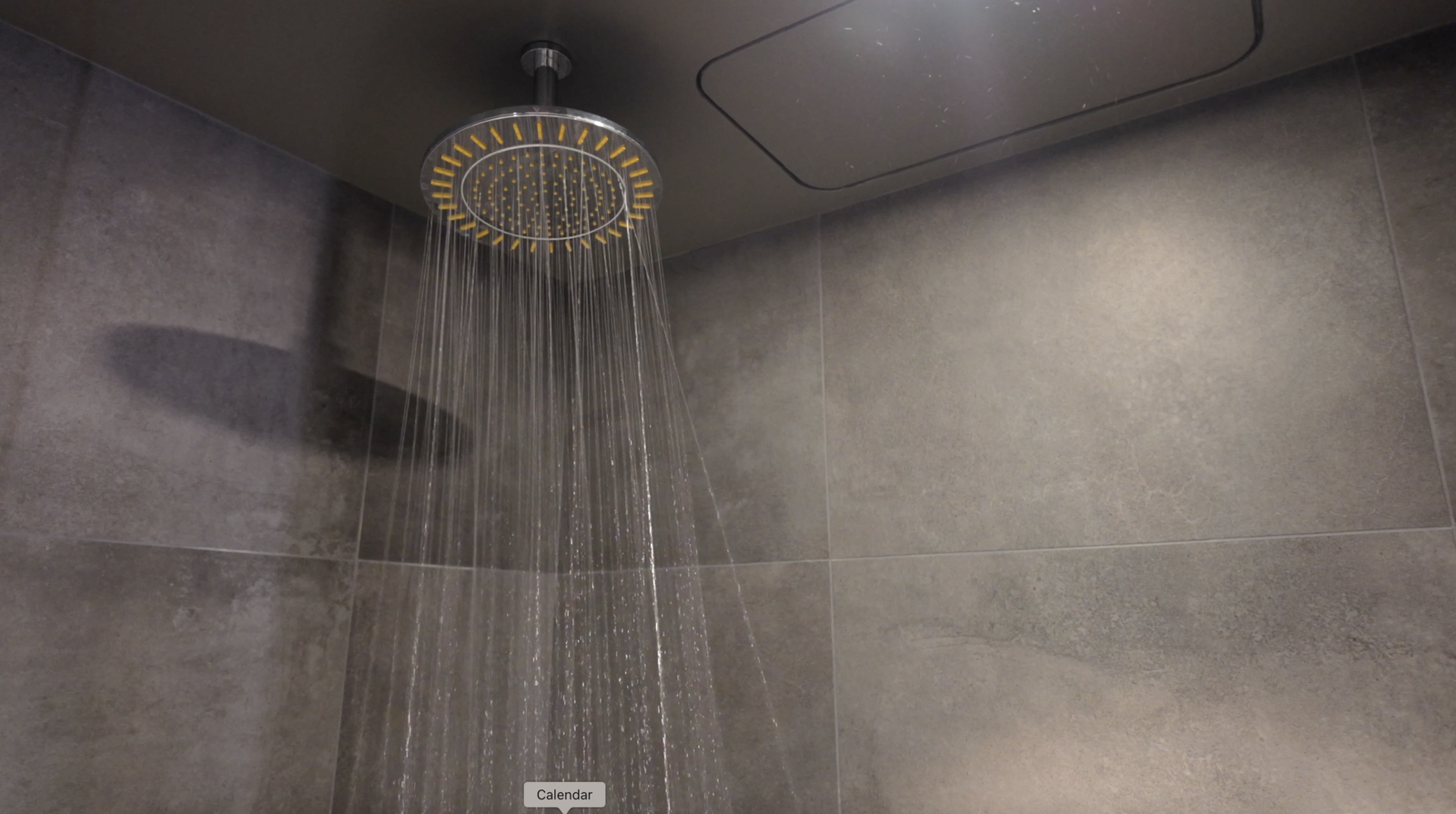
The bathroom layout is interesting. The sink area is located outside the main bathroom. The bathroom space itself is compact with just the toilet and walk-in shower. The design continues the minimalist aesthetic with matte black ceilings and fixtures creating a very modern, spa-like atmosphere. Oversized gray stone tiles with minimal grout lines give it a clean, upscale aesthetic. There’s a walk-in shower with a rainfall showerhead and the water pressure was good and temperature control was easy to understand. Everything felt clean, modern, and well-maintained. So, although the bathroom isn’t huge, it’s efficiently laid out and has everything you’d need.
The Fixed Cost Advantage in Hotel Operations
Every hotel carries fixed costs that don’t change based on occupancy, for example, the mortgage or lease, lobby and common area maintenance, management salaries, base utilities, property insurance, core technology systems. The key is spreading those costs across as many rooms as possible. A boutique hotel with 25 rooms might carry $500,000 in fixed costs, working out to $20,000 per room. Monville-sized hotels at 269 rooms with around $1.2 million in fixed costs work out to about $4,460 per room. The interesting thing is that after 300 to 400 rooms, the benefit largely flattens out, while operational complexity keeps increasing. There’s a point of diminishing returns, and 269 rooms is right in the zone where you’ve captured most of the fixed cost savings without the complexity that mega-hotels introduce.
The same dynamic plays out in staffing. A boutique hotel with 25 rooms still needs a minimum team of 12 to 15 people (front desk, housekeeping manager, maintenance, general manager) giving you a ratio of about one staff member per two rooms. Monville operates with roughly 30 to 40 people for 269 rooms, working out to about one per seven rooms. A 500-room property needs 80 to 120 people, which brings the ratio back up. The 250 to 300 room range is the staffing sweet spot: big enough that departments can run lean, small enough to remain nimble.
The Revenue Picture
Disclaimer: I do not have access to Hotel Monville’s actual financials, hotels rarely make these public unless they’re part of a publicly traded company.
There’s a figure online suggesting revenue around $8.5 million, which I can’t verify directly but it aligns reasonably with industry assumptions. Working backward: 269 rooms at roughly $100 to $120 average rate after discounts and OTA commissions, 65 percent occupancy, generates around $6 million in room revenue. Ancillary revenue (parking, breakfast, food and beverage, meeting rooms) adds another $2 to $2.5 million. Total: approximately $8.5 million. Against operating costs of around $4.5 million, that implies a net operating income around $4 million, or a 47 percent margin. For a hotel this size, that’s healthy and sustainable.
Right-Sized Amenities
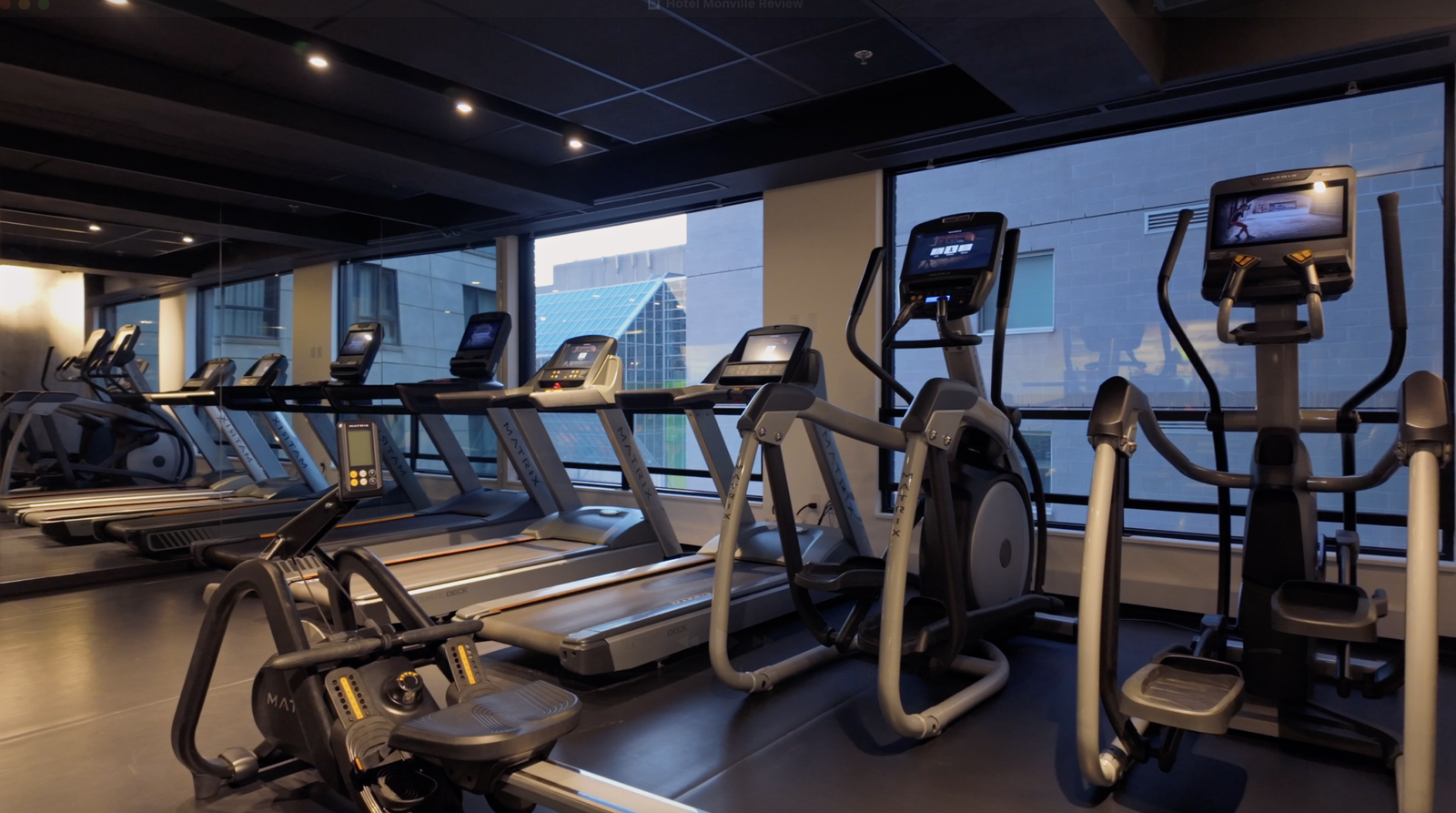
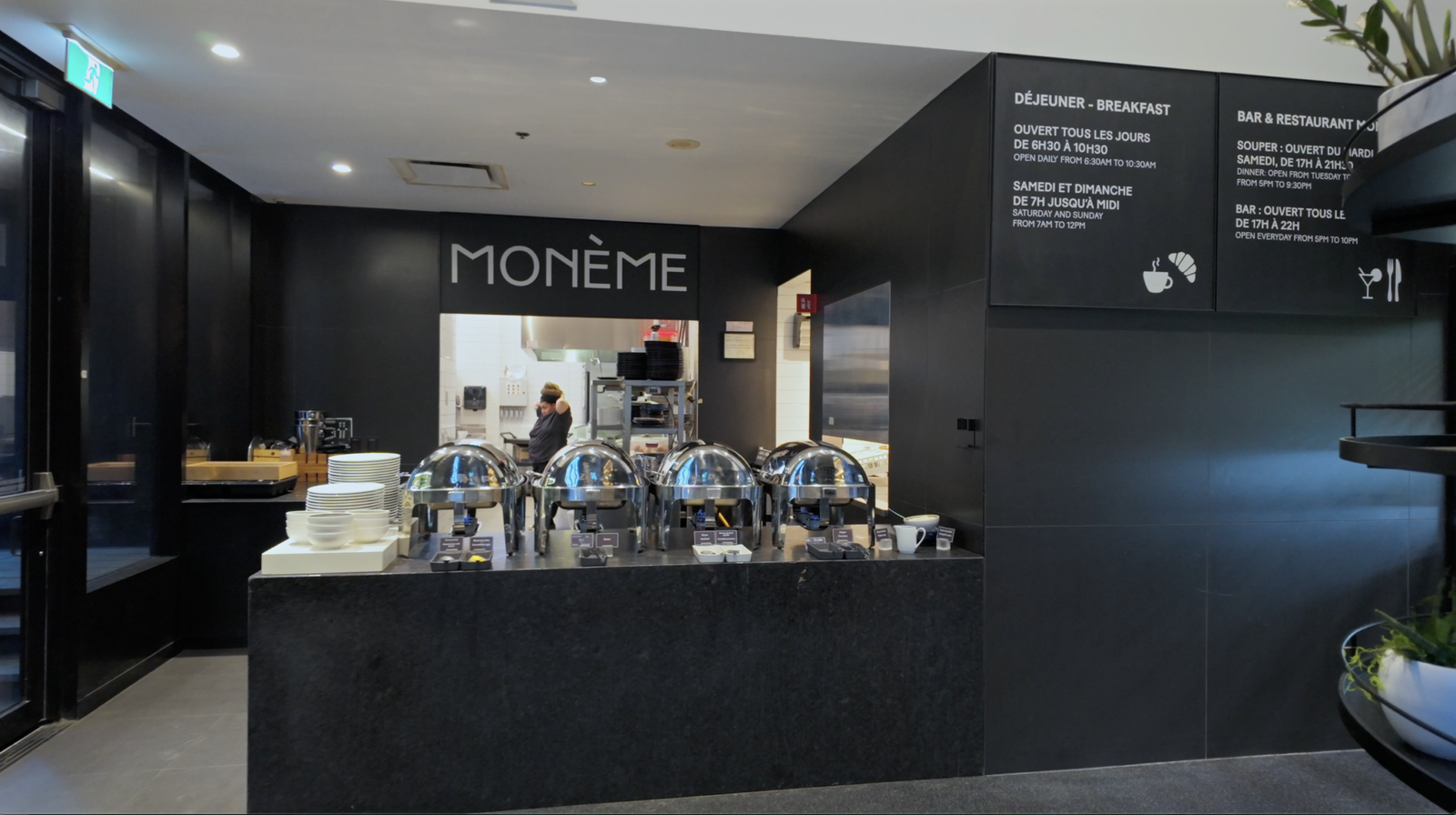
There’s an on-site restaurant at the hotel called Monème. I had breakfast here as it was included in my booking package. Food quality was good, fresh ingredients, and well-prepared dishes. The gym is well-equipped with cardio machines, free weights, and strength training equipment. Not massive, but covers the basics well.
One of the hotel’s standout features is the rooftop sun terrace. I visited in December, so weather wasn’t ideal, but even in winter, it offers great views. The design is vibrant geometric flooring in triangular patterns of orange, blue, gray outdoor-grade tiles styled like modern art. Modular lounge seating with built-in benches and deep cushions were also available along with string lights that created a cozy ambiance.
Price and Value
Two nights through Booking.com came to CAD $499.32 total, roughly $250 per night, with complimentary breakfast included. I stayed here in late December, which is off-season for a city like Montreal that gets very cold in the winter. Summer rates may vary.