Continuing on with my solo tour of Atlantic Canada (I have a detailed review, itinerary and cost breakdown of my trip linked here), my next stop after Nova Scotia was the French overseas territorial collectivity of Saint Pierre and Miquelon. I took a flight from Nova Scotia to SPM with the island’s flagship carrier- Air Saint Pierre.
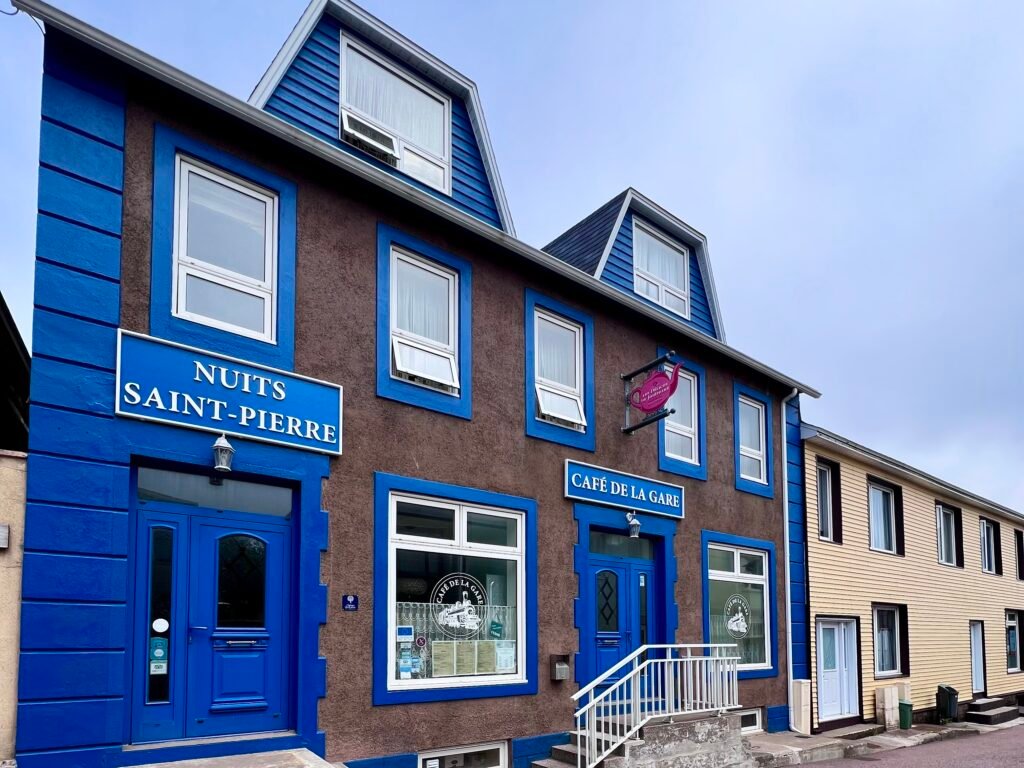
This small island is located just off the coast of Newfoundland and is a French archipelago where you’ll pay in euros, order croissants in French, and see European-style houses- while technically still being in North America. I spent a weekend exploring Saint Pierre, and it turned out to be one of the most unique trips I’ve ever taken, albeit very very foggy.
Here’s what it’s like to fly there, explore the island, and spend a weekend in France without leaving North America’s time zone.
Table of Contents
- Flying from Canada to France in Under an Hour
- Planning Your Trip to Saint Pierre and Miquelon
- Arrival and First Impressions of the Island
- Day 1: A Walk Through Saint Pierre
- Day 2: Exploring Île aux Marins
- Island Life: Fog, Food, and Everyday Culture
- The History of Saint Pierre and Miquelon
- The Return Flight Back to Canada
Flying from Canada to France in Under an Hour
My trip began with a Friday afternoon flight from Halifax. The only airline that flies to the islands is Air Saint-Pierre, so getting there requires a bit of planning. Flights don’t operate every day, and the aircraft is quite small (I counted only 44 seats) which means tickets can sell out quickly, especially during summer. The airline operates direct flights from several Canadian cities:
- 75 minutes from Halifax
- 45 minutes from St. John’s
- 2 hours 45 minutes from Montreal
- About 70 minutes from the Magdalen Islands
During the summer season, there are also flights from Paris. Because the plane is small and the routes are limited, booking early is essential if you want to visit.
Planning Your Trip to Saint Pierre and Miquelon
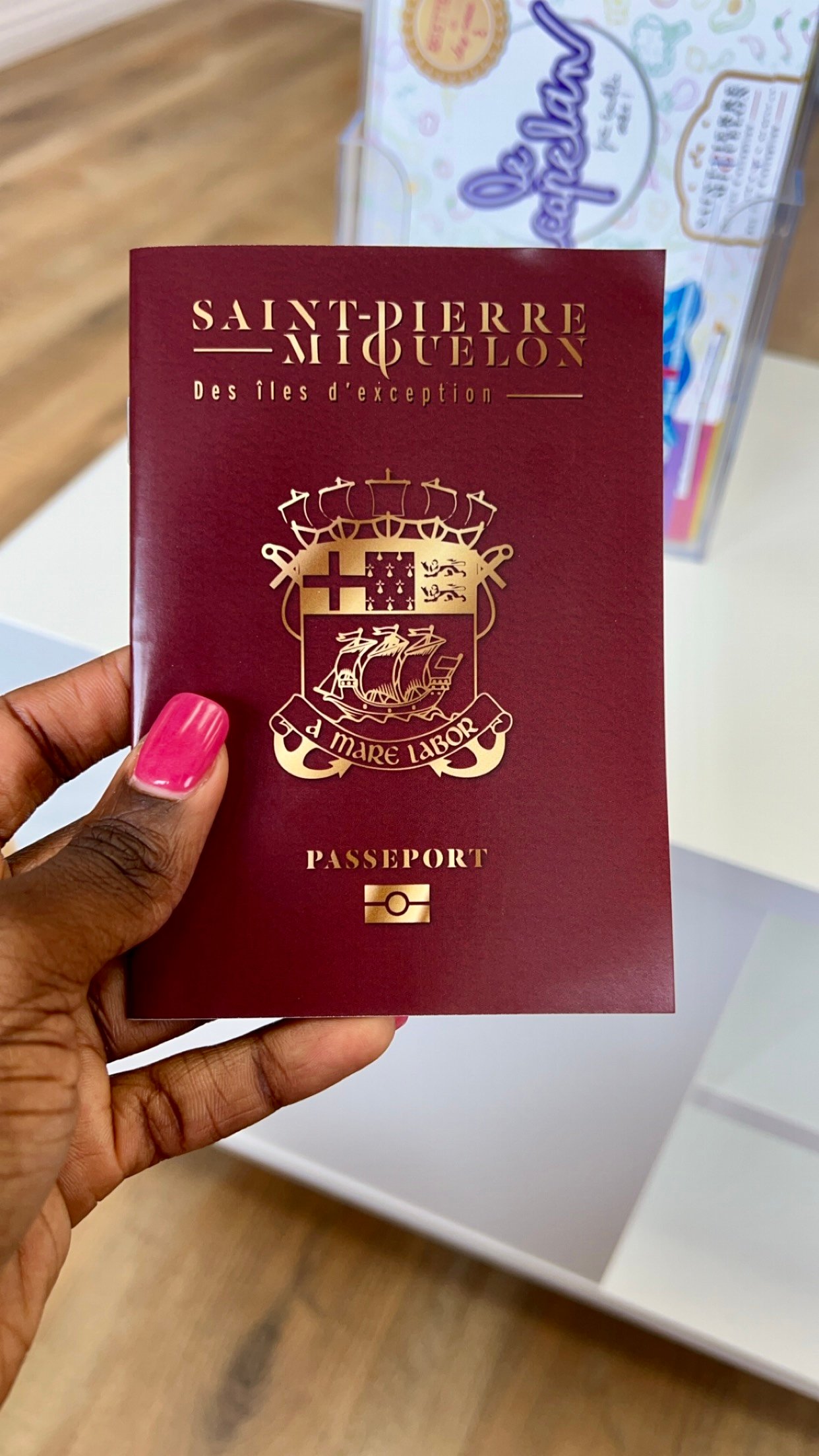
Even though the islands sit just off the Canadian coast, they are officially French territory, which means entry requirements are slightly different from traveling within Canada. You’ll need a valid passport (for most short visits, Canadians do not need a visa).Your passport should typically be valid for at least six months beyond your stay. Travelers living in Canada with valid Canadian-issued identification may also be able to enter without a visa depending on nationality, but it’s always best to check official government sites before traveling.
In addition, because it is a relatively small island, hotels fill up fast. So, it’s a good idea to book your spot months in advance.

Arrival and First Impressions of the Island
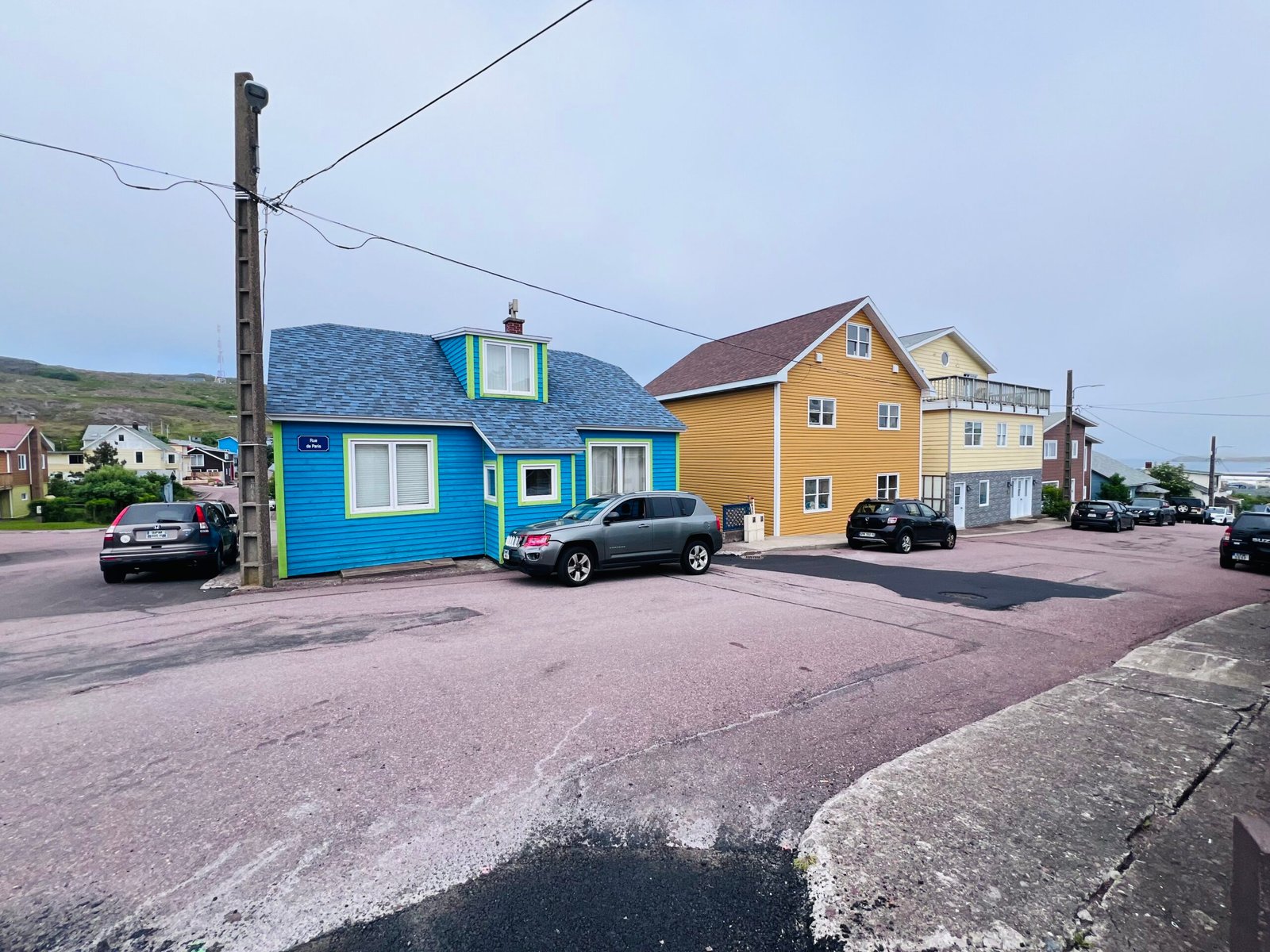
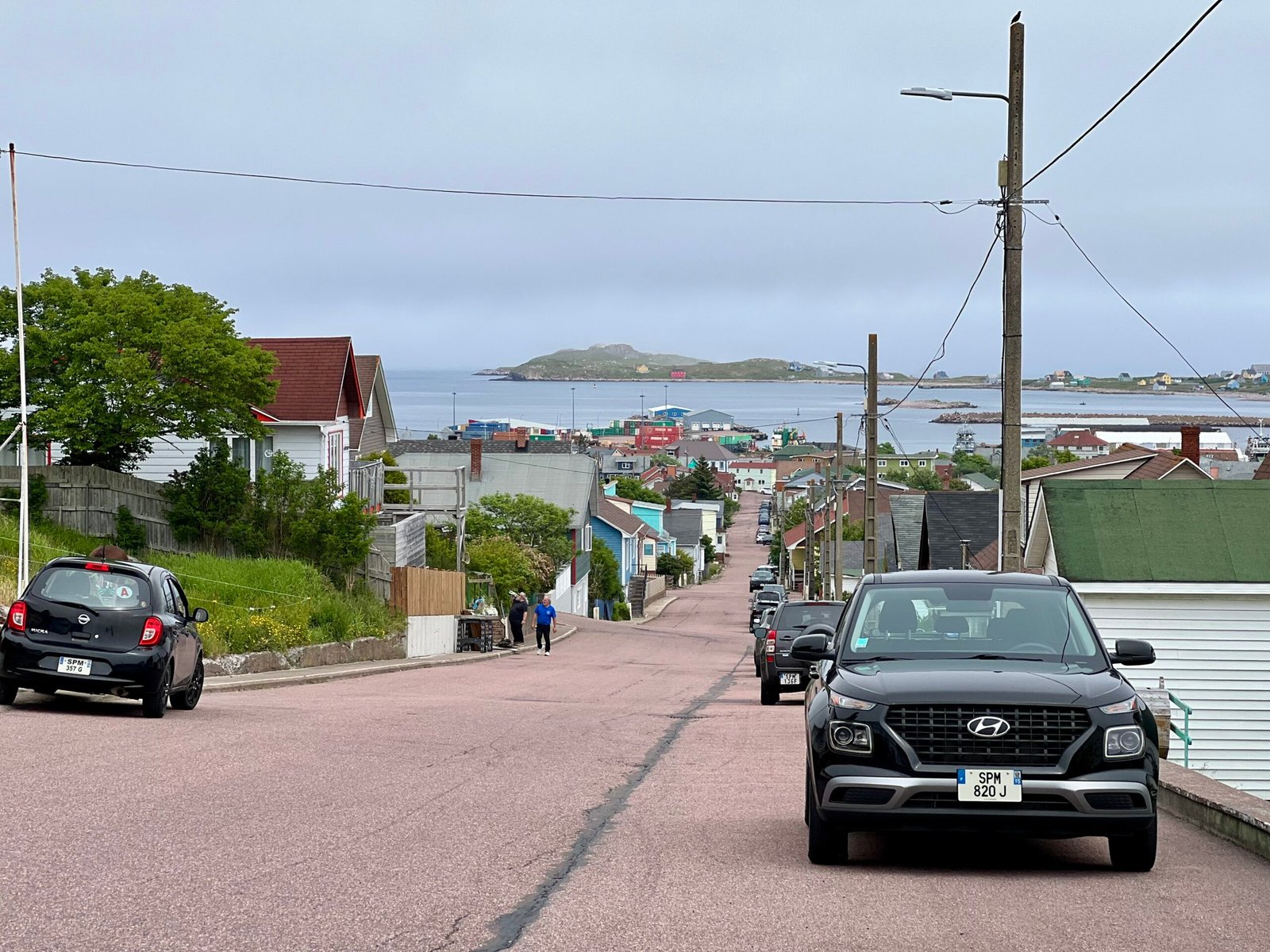
The moment I stepped off the plane, I was greeted by something the island is famous for- fog. A thick wall of mist covered the runway. In fact, during our approach, I couldn’t see anything until we were almost on the ground. This kind of weather is apparently very common here. Saint Pierre and Miquelon sits in the middle of major Atlantic weather patterns, and fog is simply part of everyday life. Despite the fog, the island immediately felt different from anywhere else in Canada. French flags, colorful houses, and French voices in the streets.
The airport itself is tiny, really tiny. To be honest, I did not do as much planning for my trip here and had no idea how I was going to find a taxi from the airport. Most hotels offer airport pickup, but I was staying in an Airbnb. But as a testament to the islanders’ good nature, one of the taxi guys immediately asked his son to drive me to my Airbnb destination at no cost!
Day 1: A Walk Through Saint Pierre
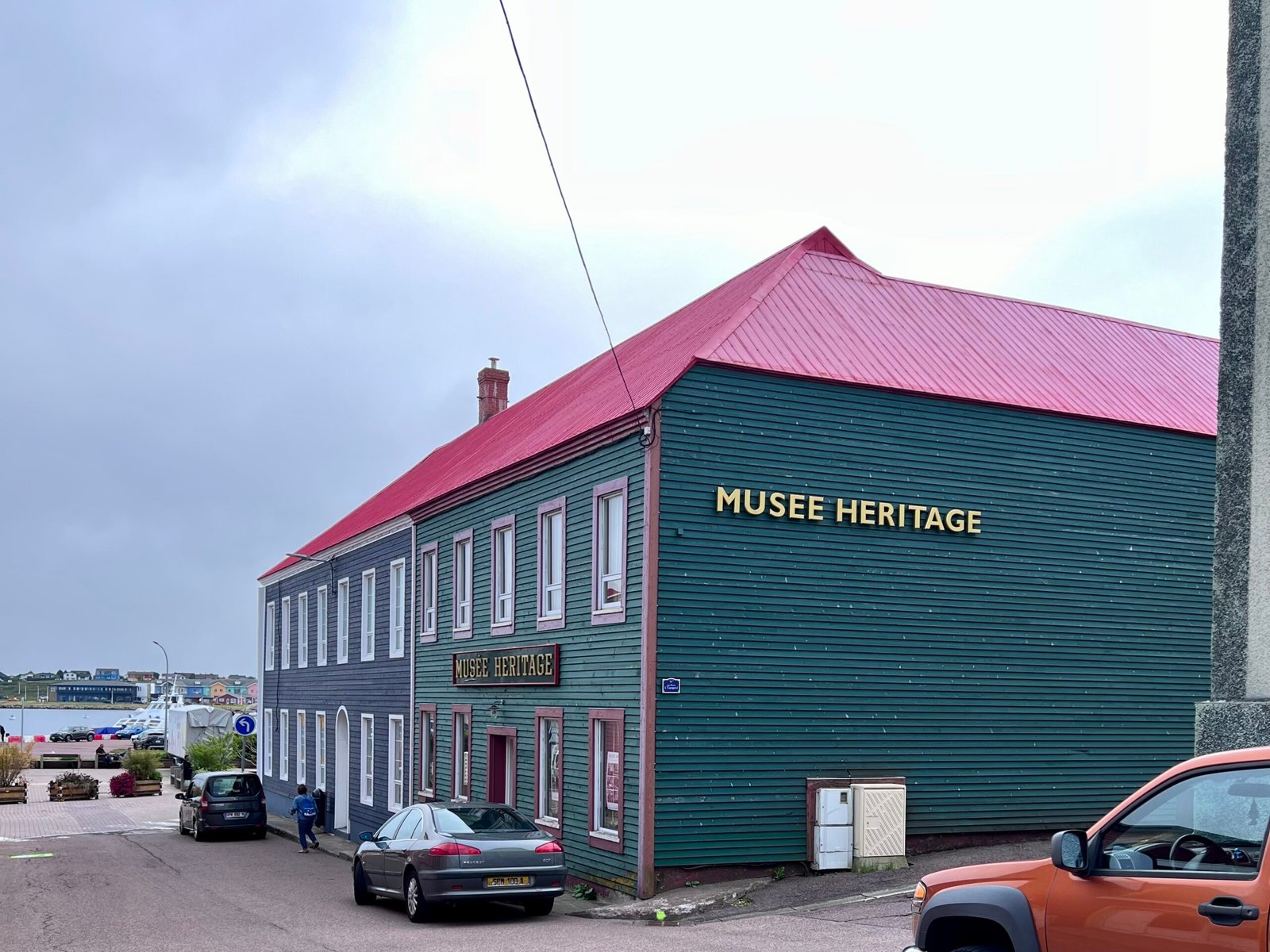
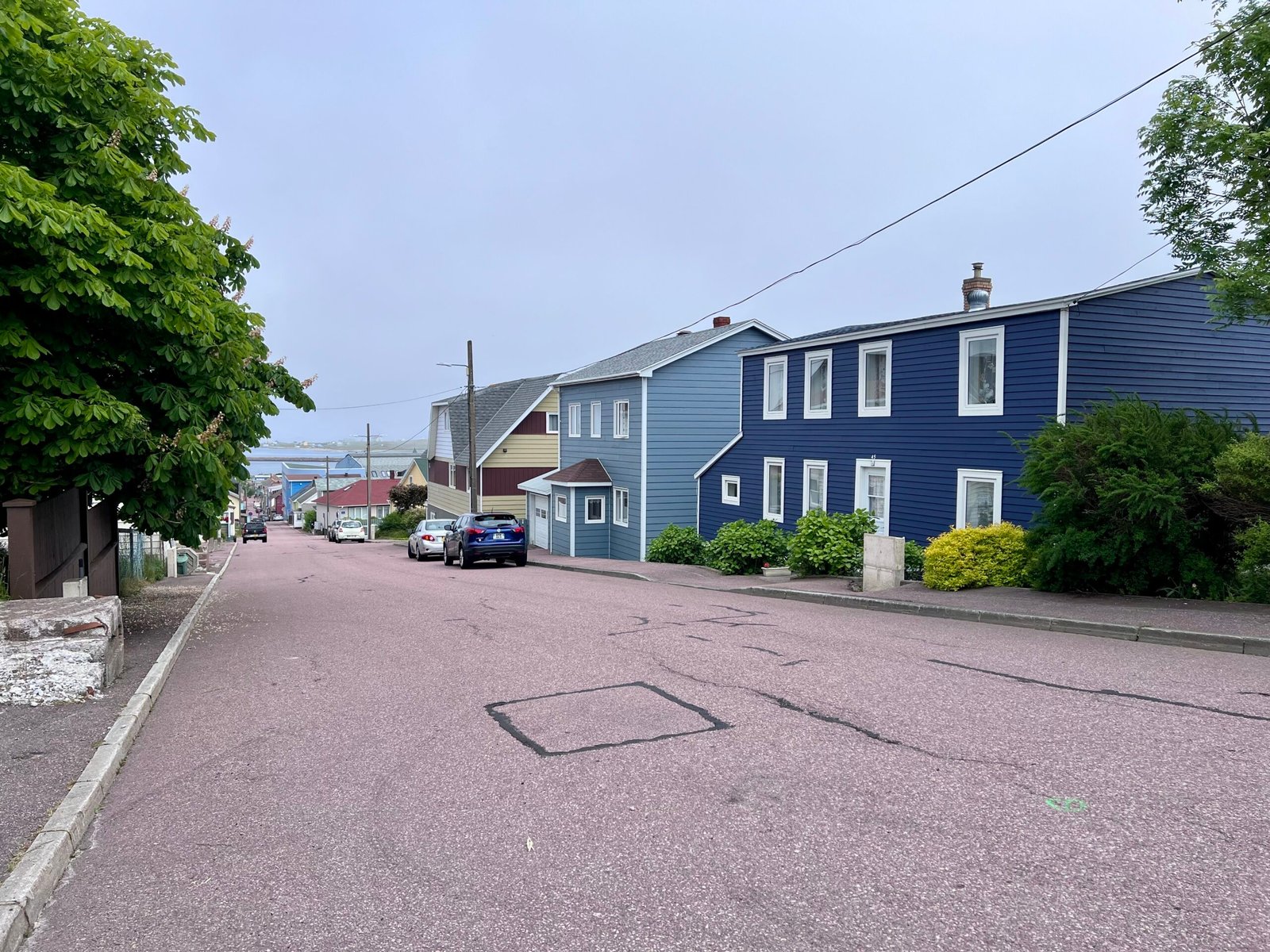
After arriving in the early evening, I checked into my Airbnb and went out for dinner. One of the first things I noticed about Saint-Pierre is how walkable it is. The island is small, about 9 km long and 5 km wide, so most places are within walking distance. That said, the streets are surprisingly hilly, so walking around can feel like a workout.
Saint Pierre is the main settlement in the archipelago. The other islands- Miquelon and Langlade– are larger geographically, but most of the population live in Saint Pierre. I had dinner at Le Feu de Braise. I would recommend booking your meal reservations very early, ideally a few weeks before your visit. Since the island is small, reservations (especially during summer months) are limited. I contacted the restaurants where I wanted to dine at via email to book my reservations.
Day 2: Exploring Île aux Marins
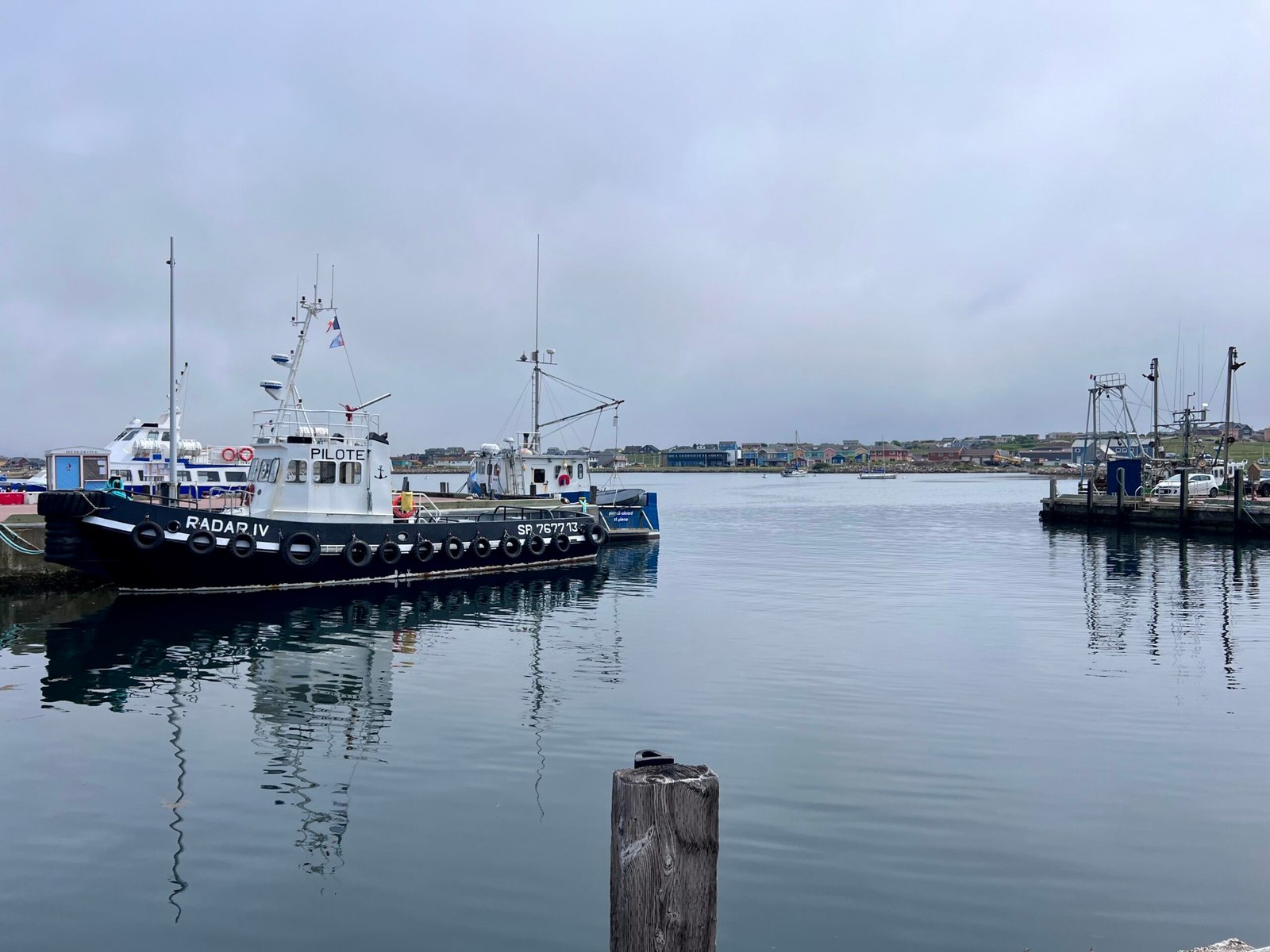
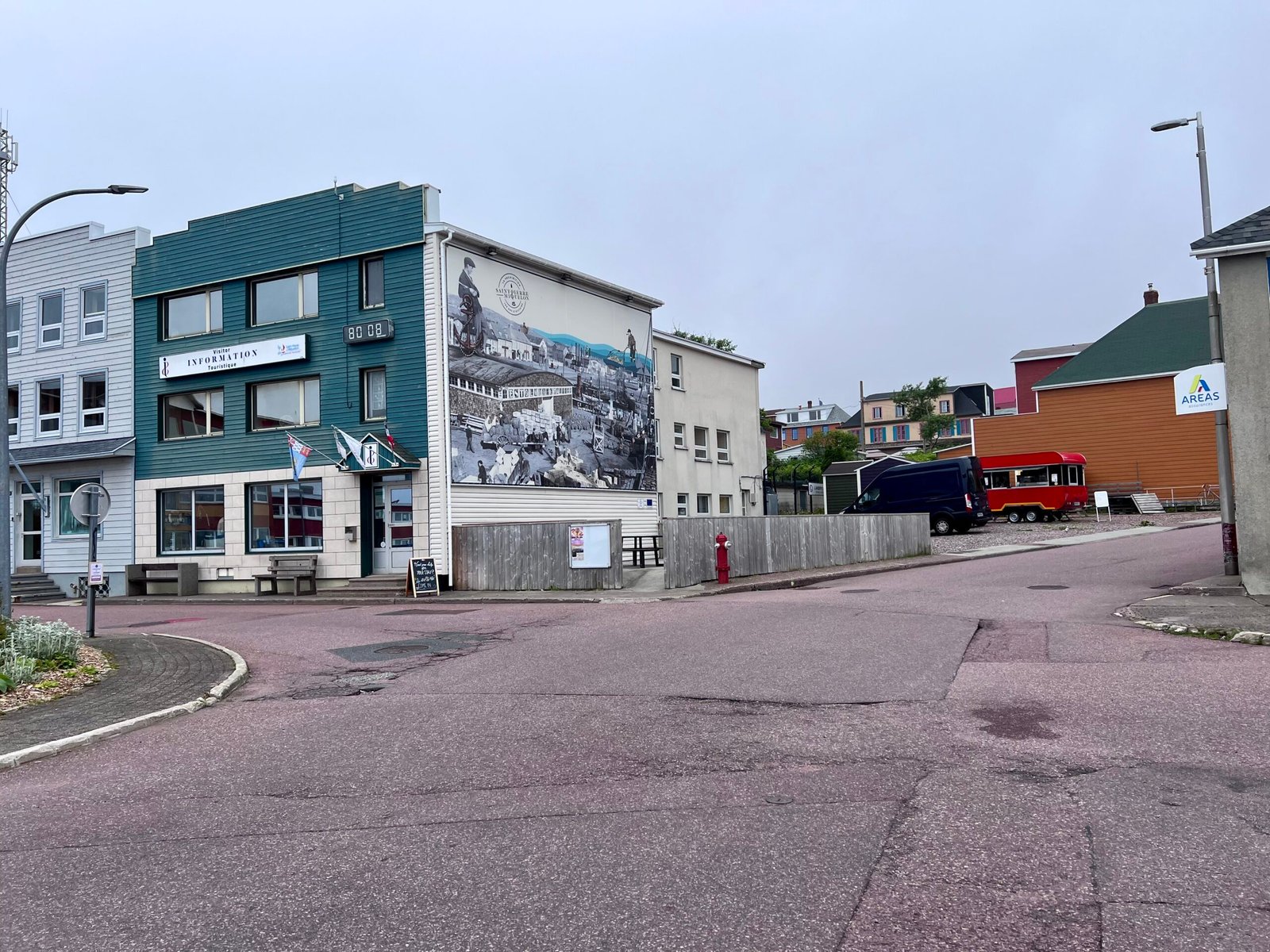
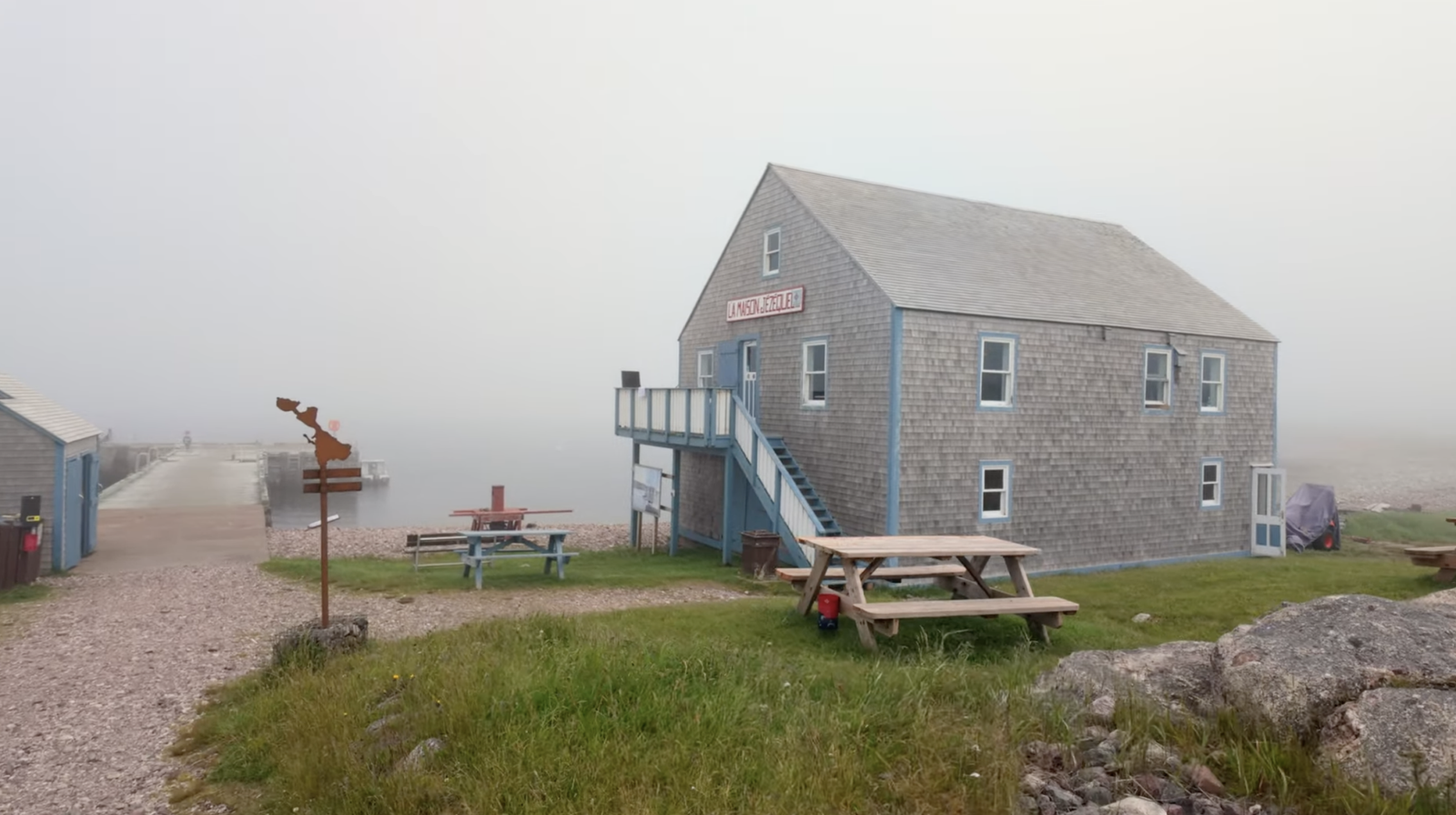
The next morning started exactly how the first day ended: foggy and misty. Dense fog is common here, and historically it has caused many shipwrecks along the island’s coastline. One notable example is the Transpacific shipwreck. Before heading out on my guided tour, I spent some time at the Saint Pierre Tourist Information Center, which is a great place to find maps, tours, and transportation options. This was also the meeting spot where I was going to wait for my tour guide. From there, we boarded a 10-minute boat ride to Île aux Marins.
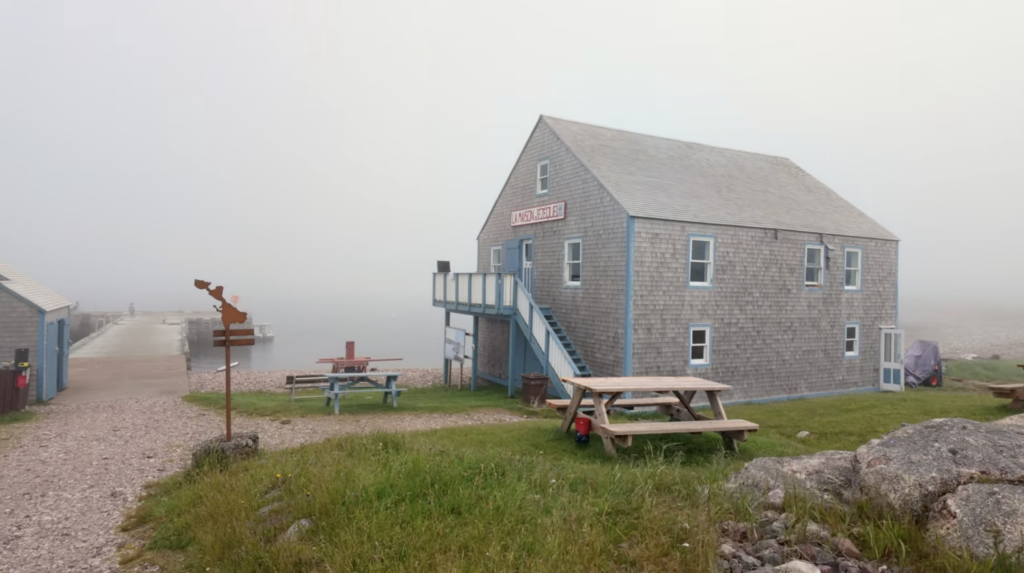
Île aux Marins (in English means ’Sailor’s Island’) used to be a thriving fishing village but is now completely uninhabited. Walking through it felt like stepping into a preserved snapshot of the past. Old wooden houses, abandoned buildings, and quiet coastal views that told the story of the island’s fishing history. It was quite interesting to learn all about the island’s history, especially its role in cod fishing. I go into more details in this post here.
Later in the afternoon, as the fog began to lift slightly, I took another short boat ride back to explore the island again from a different perspective. The boat ride costs about 6 euros and takes only about 10 minutes. I even ran into a bachelorette party heading to celebrate on the abandoned island, which was quite unexpected.
Island Life: Fog, Food, and Everyday Culture
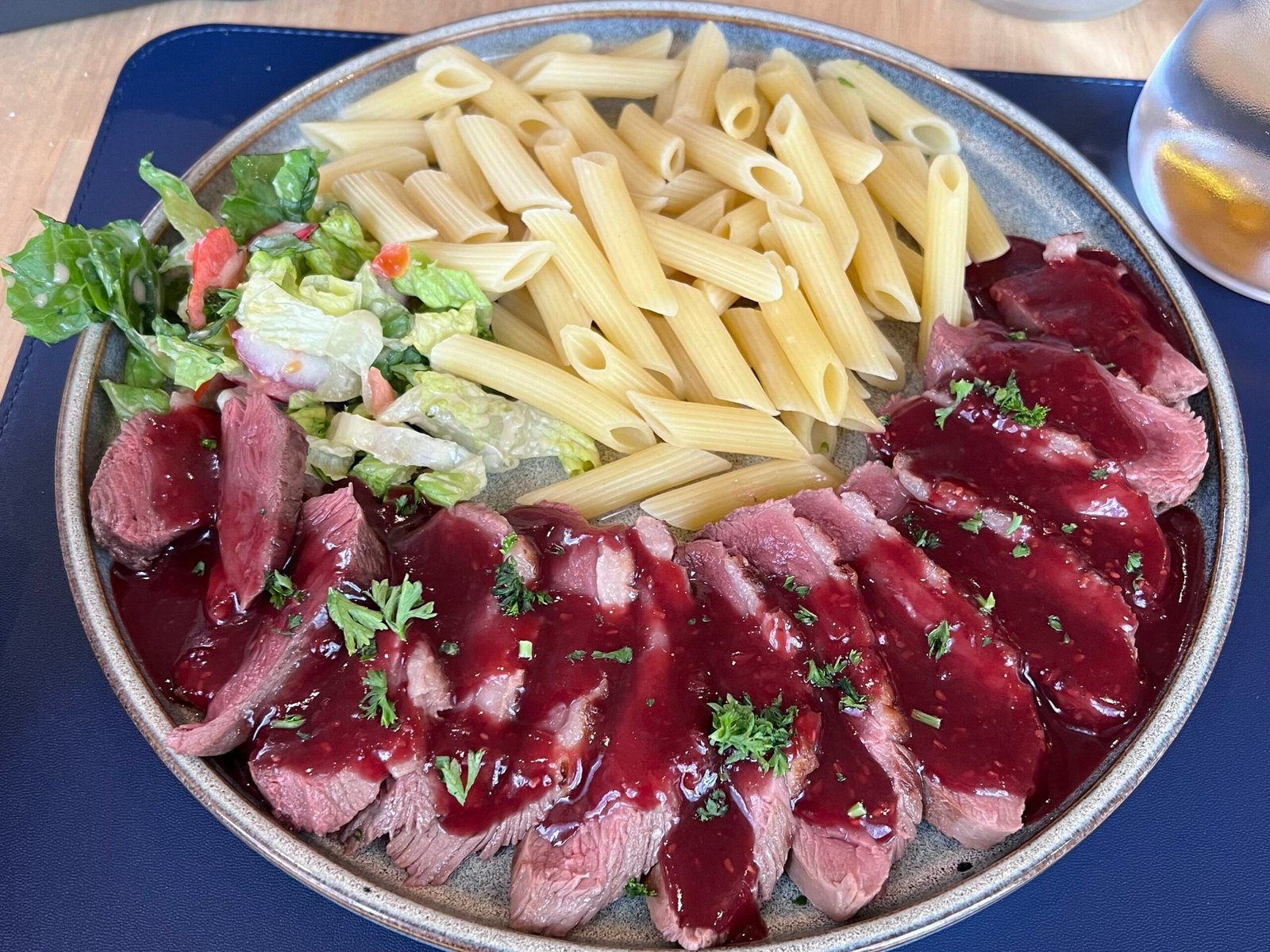
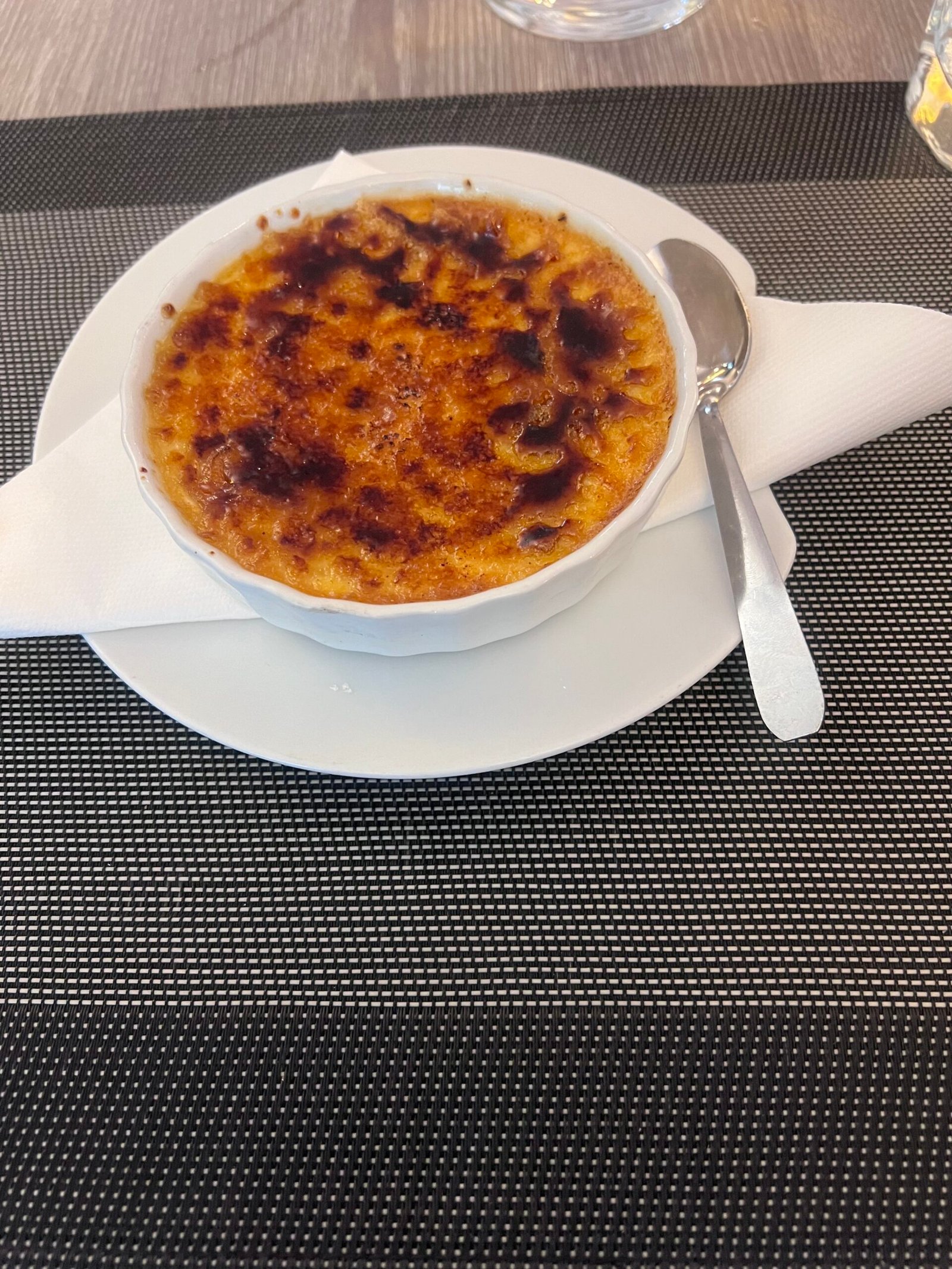
One interesting local detail is that there are no mail carriers on the island. Instead, residents go to the post office daily to collect their mail. Makes me wonder, is this what Canada Post is aiming for? LOL Another cultural difference is the midday lunch break. Most restaurants and stores close around 12pm and reopen around 3pm, so if you’re looking for lunch during that window, you may not find anyplace open. At one point, I found a small food truck near the tourist center selling crepes, which turned out to be the perfect quick meal. Later that evening, I had dinner at Les P’Tit Graviers, where I ordered duck breast with pasta and cranberry sauce. Even the grocery stores felt like a blend of cultures. I noticed plenty of French products, but also some Canadian item, including the familiar No Name brand from Loblaws.
The History of Saint Pierre and Miquelon
Beyond the scenery and food, the island has a surprisingly rich history.
Traditional Fishing Economy
For decades, the island’s economy depended heavily on cod fishing. But in 1992, Canada introduced a major moratorium on cod fishing to protect declining fish stocks. This decision dramatically reduced fishing activity and had a major impact on the islands’ economy. Today, fishing still exists but focuses on other species such as Crab, Scallops, Mackerel, Sea cucumbers, which are exported to Asia. Since the cod moratorium, the islands have become more dependent on financial support from France.
The Prohibition-Era Smuggling Hub
One of the most fascinating parts of the island’s history happened during Prohibition in the United States. Because Saint Pierre was French territory, alcohol was legal here even while it was banned in the United States. The turned the island into a major smuggling hub, where alcohol was shipped to the U.S. during the Prohibition years. At one point, the small island reportedly handled millions of bottles of alcohol headed to American cities.
Basque Cultural Influences
Fishing in these waters dates back centuries, and Basque fishermen from Europe were among the earliest visitors. One visible reminder of this heritage is a large Basque wall built in 1906, which is said to be one of the largest Basque walls in the world. These cultural layers from French administration to Basque fishing traditions make the island feel historically unique.
The Return Flight Back to Canada
After about 48 hours exploring the islands, it was time to head back. My return flight to St. John’s was on the same small aircraft. Seeing the archipelago from above was surreal. Even through the fog, the islands looked tiny against the vast Atlantic Ocean. Just 45 minutes later, I was back in Canada.
The idea that you can spend a weekend in France and return to Canada before lunch still feels pretty incredible. If you’re looking for a unique travel experience in North America, Saint Pierre and Miquelon is definitely worth adding to your list.